HVAC Condensation Leak: Prevent Ceiling Damage | 2026
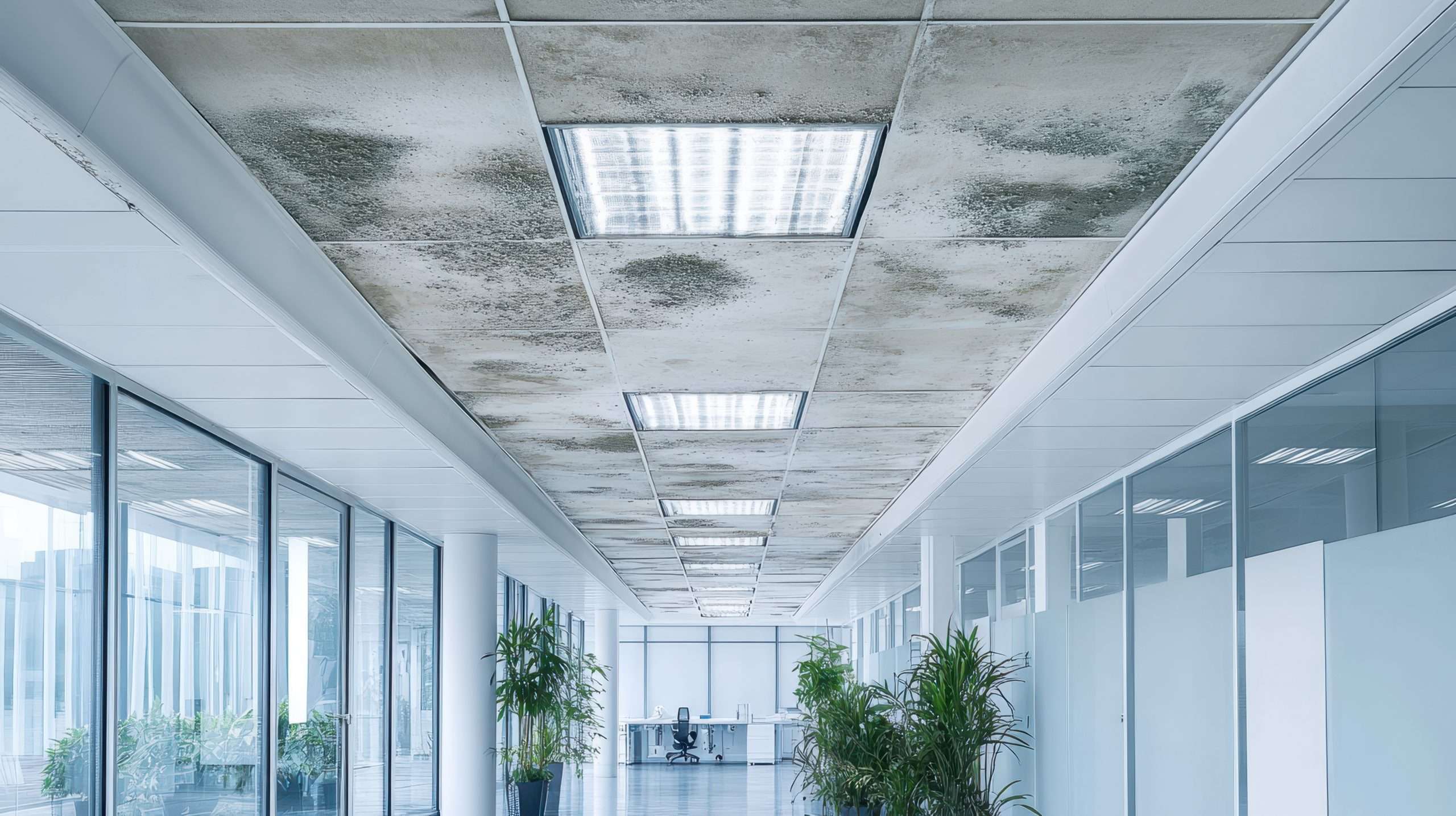
HVAC systems represent one of the most common sources of water damage in commercial buildings, with condensation leaks causing millions of dollars in ceiling damage, mold remediation, and business disruption annually across the commercial real estate industry. Every air conditioning unit produces condensation as a normal part of the cooling process, but when drainage systems fail or become clogged with debris, water accumulates and eventually overflows into ceiling spaces below. HVAC condensation leak detection provides the early warning needed to catch drainage failures before water damages ceiling tiles, insulation, lighting fixtures, and the occupied spaces beneath HVAC equipment throughout your facility.
The insidious nature of HVAC condensation leaks makes them particularly damaging compared to other water sources in commercial facilities that present more obvious warning signs. Unlike sudden pipe bursts that announce themselves immediately through visible flooding and noise, condensation leaks typically develop gradually as drain lines clog with biological growth, drain pans corrode over extended periods, or condensate pumps fail during operation. Water may accumulate in ceiling spaces for hours or days before becoming visible to occupants below, allowing extensive saturation of building materials and creating ideal conditions for mold growth that begins within 24-48 hours of water exposure according to EPA guidelines.
HVAC condensation leak detection can reduce ceiling damage costs by 70% or more through early warning that enables rapid response before extensive damage occurs.
Average Commercial Water Damage Claim
Mold Growth Begins After Water Exposure (EPA)
Average Detection System Implementation
This comprehensive guide examines HVAC condensation leak causes, consequences, and detection strategies that protect commercial facilities from this common but preventable water damage source. We explore why condensation drainage fails, where to position sensors for maximum protection, and how integrated monitoring approaches provide comprehensive protection for buildings with extensive HVAC infrastructure. Whether you manage a single building or a portfolio of commercial properties, understanding condensation leak risks helps you implement effective prevention strategies.
Understanding HVAC Condensation and Drainage Systems
Air conditioning systems remove humidity from conditioned air as part of the cooling process, with moisture condensing on cold evaporator coils and collecting in drain pans beneath the cooling equipment throughout the system. A typical commercial air handler can produce gallons of condensate daily during humid weather conditions, all of which must drain properly to prevent accumulation and eventual overflow into ceiling spaces. Understanding this condensation process helps explain why HVAC condensation leak events occur so frequently in commercial buildings with extensive cooling infrastructure serving multiple zones.
Primary drain lines carry condensate from drain pans to building drainage systems or exterior discharge points. These drain lines rely on gravity or condensate pumps to move water away from equipment continuously during cooling operation. When primary drains become obstructed or pumps fail, secondary drain pans and auxiliary drain lines provide backup protection in properly designed systems. However, many older installations lack adequate secondary drainage, leaving condensation leak prevention entirely dependent on primary system function.
Rooftop units present particular condensation leak challenges since their condensate must drain through roof penetrations that can become blocked or damaged over time from weather exposure. Package units, split systems, and fan coil units throughout buildings each have their own condensate management systems requiring ongoing attention from maintenance staff. The complexity of condensate drainage across multiple units and building areas creates numerous potential failure points where leaks can develop without warning signs until damage has already occurred.
Common Causes of HVAC Condensation Drainage Failures
Biological growth in drain lines represents the most common cause of HVAC condensation leak events affecting commercial facilities throughout the year. The dark, moist environment inside condensate drains provides ideal conditions for algae, bacteria, and mold to flourish and accumulate. This biological growth accumulates over time, gradually restricting drain flow until complete blockage occurs and water can no longer escape normally. Without detection monitoring in place, drain pans overflow and water enters ceiling spaces where damage accumulates before anyone notices the problem developing above occupied areas.
Condensate pump failures create immediate backup conditions when pumped drainage systems serve HVAC equipment located below building drain lines that cannot rely on gravity drainage. Pump motors burn out from continuous operation, float switches stick in position and fail to activate pumps, and discharge lines become disconnected during maintenance activities, all causing water to accumulate in drain pans rather than being removed properly. Since condensate pumps operate intermittently based on water accumulation levels, failures may not become apparent until significant backup has already occurred in the affected equipment.
Drain pan corrosion and damage develops over years of continuous moisture exposure in older HVAC equipment that has served facilities for extended periods. Metal drain pans corrode through over time, creating holes that allow water to bypass drainage systems entirely and drip directly into ceiling spaces below the affected equipment. Plastic drain pans can crack from thermal cycling during heating and cooling changes or from physical damage during maintenance activities. These structural failures allow condensation leak conditions to develop even when drainage lines remain clear and functional throughout the system.
Improper installation and maintenance practices contribute to drainage failures that could be prevented with proper attention during service activities. Drain lines installed without adequate slope cannot drain effectively by gravity. Insulation covering drain lines can conceal developing problems until failures become severe. Maintenance activities that disturb drain connections without proper resealing create new leak points that allow water escape into building spaces.

Strategic sensor placement beneath HVAC drain pans catches condensation drainage failures before water damages ceiling materials and occupied spaces below.
Consequences of Undetected HVAC Condensation Leaks
Ceiling damage represents the most visible consequence of HVAC condensation leak events, with water-stained tiles, sagging drywall, and collapsed ceiling sections requiring replacement after significant water exposure affects materials. The aesthetic damage alone creates negative impressions for building occupants and visitors who notice the discoloration and damage, while repair costs accumulate quickly when multiple ceiling areas require attention throughout affected zones. Beyond visible damage, water saturation weakens ceiling structural components and can cause sudden collapse that creates safety hazards for people occupying spaces below the damaged areas.
Mold growth in ceiling spaces and wall cavities creates health hazards and remediation costs that far exceed initial water damage repair expenses for affected buildings. The EPA indicates mold can begin growing within 24-48 hours of water exposure, meaning undetected HVAC condensation leak events quickly develop into mold problems requiring professional remediation by certified specialists. Ceiling spaces provide ideal mold growth environments with porous materials that retain moisture, limited ventilation that prevents natural drying, and sustained moisture from ongoing condensation drainage failures that continue feeding water into affected areas.
Electrical system damage occurs when water from condensation leak events contacts lighting fixtures, electrical panels, or wiring in ceiling spaces above occupied areas where people work and conduct business. Water and electricity create dangerous conditions including fire hazards and shock risks that require immediate response from qualified personnel. Electrical repairs following water damage often require complete replacement of affected components since water contamination compromises insulation integrity and creates ongoing safety concerns that cannot be remediated through drying alone.
Business disruption from ceiling damage affects productivity and revenue when occupied spaces become unusable during remediation activities that may last for days or weeks. Offices may need relocation to temporary spaces, retail areas may close entirely and lose sales, and healthcare facilities may need to transfer patients when ceiling damage renders spaces unsafe or unsanitary for normal use. These interruption costs from HVAC condensation leak events often exceed direct damage repair costs, particularly for operations where continuous facility availability drives business success and customer relationships.
Strategic Sensor Placement for HVAC Protection
Effective HVAC condensation leak detection requires sensor placement at locations where drainage failures would first allow water escape from normal containment systems in your facility. Position sensors beneath primary drain pans where overflow would occur when main drain lines become blocked or pumps fail to remove accumulated water properly. Secondary drain pan sensors provide backup detection for equipment with two-stage drainage systems, catching failures even when primary detection might be bypassed during unusual failure modes.
Condensate pump locations deserve specific attention since pump failures create rapid backup conditions that can overflow drain pans within hours during peak cooling operation periods. Place sensors where pump discharge failures or motor failures would cause water accumulation before it reaches the point of overflowing into ceiling spaces below the affected equipment. Integration with temperature monitoring provides additional context about cooling system operation that helps identify developing HVAC condensation leak problems before overflow occurs.
Rooftop unit condensate systems require sensors positioned to catch failures at roof penetrations and transition points where exterior drainage meets building structure and enters the roofing system. Water intrusion at these locations can affect multiple floors as it travels through building systems following gravity paths. Access considerations for rooftop locations make wireless sensors particularly valuable since they eliminate complex cable runs between rooftop equipment and monitoring infrastructure located below inside the building.
Fan coil units distributed throughout buildings each require condensation leak protection at their individual drain pans and drain connections serving each unit. The large number of units in some facilities makes comprehensive coverage essential since any single unit can cause significant ceiling damage if its drainage fails during operation. Wireless sensor networks enable efficient deployment across many units without extensive cabling infrastructure connecting all monitoring points throughout the building.
Protect Your HVAC Infrastructure
Our facility assessment includes customized HVAC condensation leak detection recommendations based on your specific equipment and building layout.
Detection Technologies for HVAC Applications
Point sensors positioned at specific high-risk locations provide targeted HVAC condensation leak detection where water would first accumulate during drainage failures. These sensors detect water presence through conductivity between electrodes when water bridges the gap, triggering immediate alerts to monitoring systems and personnel. Point sensors work well beneath drain pans and at condensate pump locations where specific failure points require monitoring.
Rope sensors offer linear detection coverage that can monitor extended drain pan perimeters or multiple potential failure points with single sensor deployments. These sensors detect water contact anywhere along their length, making them effective for covering larger equipment where water might appear at various locations. Rope sensors can wrap around drain pan edges to catch overflow regardless of which direction water escapes.
Wireless sensor networks enable efficient HVAC condensation leak monitoring across buildings with distributed equipment that would be difficult to wire to central monitoring systems. Battery-powered sensors operate for years between replacements, communicating alerts through wireless gateways connected to building networks or cloud monitoring platforms. The Monitoring as a Service approach provides professional monitoring that ensures alerts reach responders even outside normal business hours.
Integration with building management systems provides HVAC condensation leak visibility alongside other building system monitoring that facility operators already use. BMS integration enables automated responses such as equipment shutdown when leaks are detected, preventing continued condensate production that would worsen overflow conditions. Dashboard displays show sensor status across all monitored HVAC equipment for comprehensive awareness of building conditions.
Preventive Maintenance Integration
While detection provides essential protection against HVAC condensation leak events, preventive maintenance reduces the frequency of drainage failures that require detection response in your facility. Regular drain line cleaning removes biological growth before blockages develop that would restrict flow, maintaining clear flow paths for condensate removal throughout cooling operation. Condensate pump testing verifies proper operation before failures occur during peak cooling demand when condensate production reaches maximum levels and drainage systems face their greatest operational challenges.
Drain pan inspection during routine HVAC maintenance identifies corrosion, cracks, and other damage that could lead to future condensation leak problems affecting ceiling spaces below equipment. Addressing pan damage during planned maintenance prevents emergency repairs and the associated ceiling damage that occurs when structural failures allow water to bypass drainage systems and enter building spaces. Documenting pan condition over time helps predict replacement needs before failures occur that cause water damage requiring remediation.
Detection system alerts provide valuable data for maintenance optimization by identifying which equipment experiences recurring drainage issues requiring attention from maintenance staff. Tracking HVAC condensation leak alert history by unit reveals equipment needing more frequent maintenance or potential replacement. Integration with energy monitoring can correlate drainage problems with equipment performance issues that affect both water damage risk and energy efficiency throughout the facility.
Seasonal maintenance timing should account for condensation leak risk during peak cooling periods when condensate production reaches maximum levels throughout your facility. Pre-season drain cleaning and pump verification prepares systems for heavy condensate loads before problems develop during periods of intense use when equipment operates continuously. Post-season inspection identifies damage from summer operation that should be addressed before the next cooling season begins and heavy condensation resumes.

Real-time monitoring dashboards provide visibility into HVAC condensation leak sensor status across all equipment from any location.
Response Protocols for Condensation Alerts
Effective response to HVAC condensation leak alerts requires clear protocols that guide personnel through appropriate actions based on alert location and severity of the detected condition. Initial response should include equipment shutdown to stop condensate production while the drainage issue is assessed and addressed by qualified personnel. This immediate action prevents continued water accumulation that would worsen overflow conditions and increase ceiling damage potential in affected areas.
Drainage system assessment following alerts identifies the specific failure causing water accumulation. Check drain lines for blockages that can often be cleared with wet-dry vacuums or compressed air. Verify condensate pump operation including float switch function and discharge line integrity. Inspect drain pans for damage or misalignment that might allow water to bypass normal drainage paths.
Ceiling space inspection determines whether water has entered building spaces requiring remediation attention beyond the HVAC drainage repair. Check ceiling tiles and insulation above the affected equipment for saturation that indicates overflow has already occurred. Document conditions photographically for insurance purposes and to guide remediation decisions about materials requiring replacement versus those that can be dried in place.
Follow-up monitoring after drainage repairs verifies proper system function before returning equipment to normal operation. Test drainage flow with water to confirm blockages have been completely cleared and pumps function correctly. Monitor the affected area closely during initial operation to catch any recurring problems before they cause additional damage requiring further remediation efforts.
HVAC Condensation Leak: Frequently Asked Questions
How common are HVAC condensation leaks in commercial buildings?
HVAC systems represent one of the most common water damage sources in commercial buildings. Most facilities with air conditioning will experience at least one condensation drainage failure over the equipment’s lifespan.
Regular maintenance reduces frequency, but detection provides essential protection against failures that occur despite preventive efforts.
What causes HVAC drain lines to clog?
Biological growth including algae, bacteria, and mold accumulates in the dark, moist environment inside condensate drains. This growth gradually restricts flow until complete blockage occurs.
Regular drain cleaning removes biological accumulation before blockages develop that cause overflow conditions.
Where should sensors be placed for HVAC condensation monitoring?
Position sensors beneath primary drain pans where overflow would first occur. Secondary drain pans, condensate pump locations, and roof penetration points also warrant sensor coverage.
Professional assessment identifies optimal placement based on your specific equipment and building configuration.
How quickly can condensation overflow cause ceiling damage?
Ceiling tile saturation can begin within hours of overflow during peak cooling operation when condensate production is highest. Damage accelerates as water spreads through absorbent ceiling materials.
Early detection enables response before significant saturation occurs, dramatically reducing remediation requirements.
Should we monitor all HVAC units or just critical areas?
Ideally, all HVAC equipment should have condensation monitoring since any unit can cause ceiling damage. However, prioritize high-value areas like server rooms, archives, and executive spaces if budget requires phased implementation.
Wireless sensors make comprehensive coverage cost-effective for facilities with many distributed units.
Can detection systems integrate with building automation?
Yes, modern detection systems integrate with building management systems through standard protocols like BACnet. Integration enables automated equipment shutdown and coordinated alarm responses.
BMS integration provides unified monitoring and automated protection that responds faster than manual intervention.
How often should HVAC drains be cleaned to prevent blockages?
Most facilities should clean condensate drains at least annually, with quarterly cleaning recommended for equipment with recurring problems or those serving critical areas.
Pre-season cleaning before peak cooling periods helps prevent blockages during times of maximum condensate production.
What should we do when a condensation leak alert occurs?
Immediately shut down affected equipment to stop condensate production. Clear drainage blockages, verify pump operation, and inspect ceiling spaces for water intrusion before resuming operation.
Document conditions and repairs for maintenance records and insurance purposes.
Protect Your Ceilings from HVAC Condensation Damage
HVAC condensation leak detection provides the early warning needed to prevent ceiling damage before it occurs. With sensors monitoring your cooling equipment and 24/7 professional monitoring, you can catch drainage failures and respond before water damages building materials.
Your free facility assessment includes:
- Complete HVAC equipment inventory and risk analysis
- Sensor placement recommendations for your equipment
- Integration options for building management systems
- ROI projections for your specific situation
- Implementation plan with zero disruption
Email us at detect@envigilance.com | We reply within 24 hours