Restaurant Grease Trap Monitoring: Prevent Costly Overflows Guide 2026
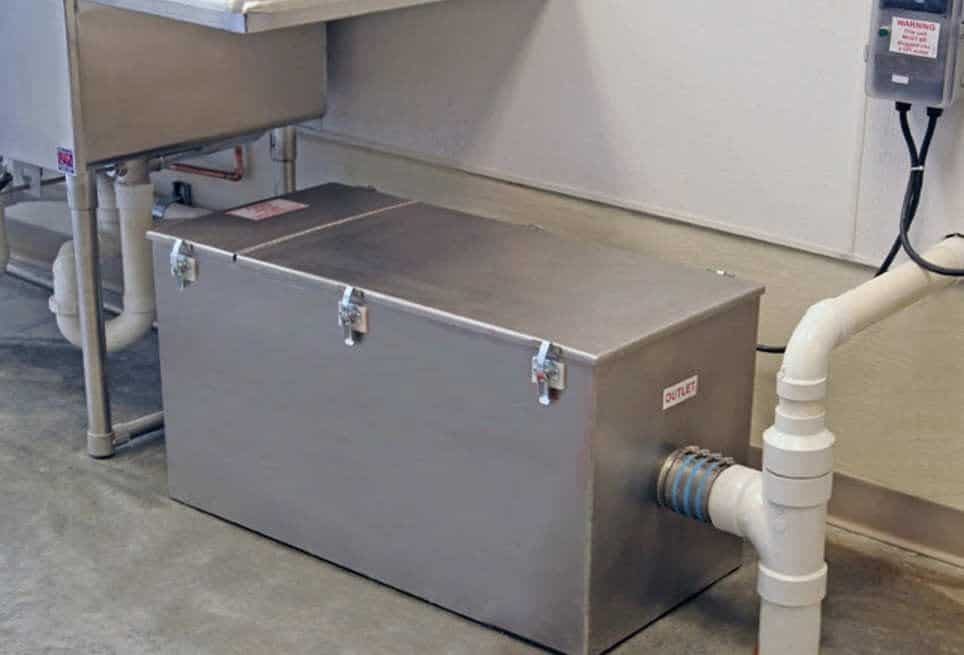
Grease traps protect municipal sewer systems and restaurant plumbing by capturing fats, oils, and grease before they enter drainage infrastructure where solidification causes blockages, backups, and environmental violations that threaten both public infrastructure and restaurant operations throughout the entire foodservice industry. Monitoring transforms these essential waste management systems from assumed compliance into verified protection by continuously tracking fill levels, accumulation rates, and service needs that reveal problems before overflows cause costly cleanups, health violations, or environmental fines affecting restaurant profitability and reputation. Understanding how comprehensive monitoring protects your restaurant investment helps operators maintain regulatory compliance, prevent expensive emergency services, and optimize pumping schedules across all grease interceptor systems throughout the entire restaurant facility.
Grease traps face demanding operational conditions including varying grease loads from different cooking volumes, temperature fluctuations affecting grease consistency, and accumulation rates that change with menu items and production levels throughout daily and seasonal operations continuously. Monitoring provides visibility into system status across all operating conditions, identifying rapid accumulation, inadequate capacity, and service timing needs that would otherwise go undetected until overflows create emergency situations requiring immediate expensive intervention. Implementing comprehensive monitoring across your grease trap installations delivers measurable benefits through prevented overflows, optimized pumping costs, and proactive maintenance that addresses problems before violations or backups disrupt restaurant operations.
Grease trap monitoring prevents costly overflows while ensuring regulatory compliance through continuous level tracking, accumulation analysis, and immediate alerting when pumping service is needed.
Typical Cost of Grease Overflow Cleanup and Fines
Typical Pumping Cost Reduction from Optimized Scheduling
Average Monitoring System Implementation Time
This comprehensive guide examines grease trap monitoring strategies for restaurant compliance, overflow prevention techniques, and implementation approaches that optimize pumping costs while ensuring regulatory compliance throughout your foodservice establishments. We explore the critical parameters that indicate grease trap status and service needs, the technologies available for monitoring different interceptor configurations effectively, and the return on investment calculations that justify monitoring expenditures for single locations and multi-unit operators alike. Whether you operate a single restaurant kitchen or manage dozens of locations across multiple markets, understanding monitoring capabilities helps you protect these essential compliance systems effectively throughout your entire restaurant portfolio.
Understanding Grease Trap Challenges
Overflow events create immediate operational emergencies requiring expensive emergency pumping, professional cleanup services, and potential temporary closure while remediation occurs throughout affected kitchen and dining areas. According to the EPA National Pretreatment Program, fats, oils, and grease cause significant municipal sewer problems with restaurants bearing responsibility for proper interception before discharge into public systems throughout their operations. Monitoring tracks fill levels continuously and alerts operators before capacity limits trigger overflows that create costly emergency situations requiring immediate response.
Regulatory compliance requires maintaining grease traps below maximum fill levels, documenting pumping frequency, and demonstrating proper maintenance to inspectors who can issue citations, fines, or closure orders for violations discovered during inspections. Many jurisdictions require specific pumping frequencies regardless of actual fill levels, while others allow condition-based service that monitoring enables through documented performance verification throughout all operations. Monitoring provides the documentation regulators require while enabling compliance verification that withstands inspection scrutiny affecting operating permits.
Variable accumulation rates from changing menus, seasonal volume fluctuations, and production variations make calendar-based pumping schedules inefficient, potentially servicing too frequently during slow periods or allowing dangerous accumulation during high-volume periods. High-grease cooking including frying, grilling, and certain ethnic cuisines generates substantially more grease than lighter cooking methods, requiring adjusted service intervals that calendar schedules cannot accommodate automatically. Monitoring tracks actual accumulation rates enabling condition-based pumping that optimizes costs while ensuring adequate capacity throughout all varying operational conditions.
Drain line blockages from grease that escapes undersized or overwhelmed traps cause backups affecting kitchen operations, potentially contaminating food preparation areas and creating health code violations beyond the grease trap compliance issues themselves. The ASHRAE guidelines for commercial kitchen design emphasize proper grease interceptor sizing and maintenance for effective capture throughout varying production conditions. Grease trap monitoring identifies when accumulation approaches levels that risk downstream blockages, enabling proactive service before backups affect kitchen operations.
Key Performance Metrics for Grease Traps
Fill level percentage indicates how much capacity remains before service is required, with monitoring providing continuous visibility rather than relying on periodic manual inspections that may miss rapid accumulation between checks. Monitoring tracks fill levels continuously and compares against regulatory limits and operational thresholds to determine optimal pumping timing throughout all operations. Level trending over time reveals accumulation patterns related to menu changes, volume fluctuations, and seasonal variations that inform service scheduling optimization.
Accumulation rate calculations predict when service will be needed based on current fill speed, enabling advance scheduling that avoids both emergency pumping premiums and unnecessary early service that wastes money. Integration with energy monitoring and operational data correlates grease generation with production levels for accurate forecasting of service needs throughout varying business conditions. Monitoring with predictive analytics enables optimal pumping schedules that balance compliance assurance against service costs effectively.
Temperature tracking within grease traps indicates proper function, as grease separation depends on temperature differentials that allow fats to solidify and float while allowing water to pass through to drainage systems. Abnormal temperatures may indicate problems with inlet water temperature, trap sizing inadequacy, or other issues affecting separation effectiveness throughout grease trap operations continuously. Monitoring with temperature tracking ensures separation conditions support proper grease capture rather than allowing excessive grease passage into drainage systems.
Service history documentation records pumping dates, volumes removed, and vendor information for regulatory compliance and trend analysis revealing changes in accumulation patterns requiring investigation. Many jurisdictions require specific documentation formats and retention periods that monitoring systems can automate for consistent compliance throughout all locations. Monitoring maintains service records automatically, eliminating manual documentation requirements while ensuring complete records for any inspection throughout the entire compliance period.

Monitoring dashboards provide real-time visibility into grease trap status with predictive service scheduling and compliance alerts.
Regulatory Compliance Management
Municipal pretreatment requirements specify maximum grease discharge limits, required interceptor capacity, and maintenance documentation standards that vary significantly across jurisdictions with different enforcement approaches throughout the country. Monitoring provides compliance documentation demonstrating ongoing adherence rather than point-in-time compliance achieved specifically for scheduled inspections that may not accurately reflect typical operations. Monitoring helps restaurants navigate varying requirements by providing the data needed for compliance verification regardless of specific jurisdictional standards.
Health department inspections evaluate grease trap maintenance as part of overall kitchen sanitation assessments, with violations potentially affecting food service permits beyond just environmental compliance concerns. Integration with air quality monitoring provides comprehensive kitchen environmental oversight for restaurants where both grease management and ventilation affect health inspection outcomes significantly. Grease trap monitoring documentation supports health inspection readiness while identifying conditions requiring correction before scheduled inspections reveal problems.
Environmental violation fines for grease discharge into municipal systems can reach thousands of dollars per occurrence, with repeat violations potentially triggering enhanced enforcement including mandatory monitoring requirements or permit revocation. Proactive monitoring demonstrates good faith compliance efforts that may reduce penalties when violations occur while preventing most violations through early warning of approaching capacity limits throughout all operations. Monitoring provides the compliance assurance that protects restaurants from fines while demonstrating environmental responsibility to regulators.
Best Management Practice documentation required by some jurisdictions demonstrates systematic grease management approaches beyond simple pumping compliance, including employee training, equipment maintenance, and monitoring implementation throughout restaurant operations. The EPA guidelines for commercial facilities emphasize comprehensive pollution prevention approaches that monitoring supports through documented performance verification and trend analysis throughout all operations. Grease trap monitoring forms a key component of documented Best Management Practices that satisfy enhanced compliance requirements in strict jurisdictions.
Pumping Cost Optimization
Condition-based pumping replaces inefficient calendar schedules with service triggered by actual fill levels, eliminating both premature pumping that wastes money and delayed pumping that risks overflows throughout all varying operational conditions. Restaurants following fixed monthly schedules may pump half-full traps during slow seasons while allowing dangerous accumulation during busy periods when production exceeds schedule assumptions significantly. Monitoring enables pumping precisely when needed, typically reducing annual pumping costs by twenty to thirty percent compared to calendar-based approaches.
Emergency pumping avoidance provides significant savings, as after-hours and weekend emergency service typically costs two to three times regular scheduled pumping rates while causing operational disruption during service hours. Monitoring alerts enable scheduling service before emergencies occur, allowing negotiation of competitive rates and convenient timing rather than accepting whatever service is available during crisis situations. Grease trap monitoring prevents the emergency situations that generate premium service charges while enabling planned maintenance during optimal timing windows.
Vendor management improvements result from documented fill data that enables verification of pumping service claims and identification of vendors providing inadequate service or inaccurate billing throughout the entire service relationship. Level readings before and after pumping verify that vendors actually emptied traps completely rather than providing partial service that leaves excessive residual grease affecting capacity. Monitoring provides the data needed for vendor accountability and service quality verification throughout ongoing relationships.
Multi-location optimization for restaurant chains enables comparison of grease generation across similar locations, identifying outliers requiring investigation and establishing benchmarks for expected service frequency throughout the portfolio. The Monitoring as a Service approach provides professional oversight ensuring monitoring systems deliver maximum value through expert configuration and ongoing analysis support for all grease trap applications throughout the entire restaurant portfolio.
Optimize Your Grease Trap Management
Our facility assessment includes grease trap monitoring recommendations based on your specific cooking volume, trap configuration, and compliance requirements.
Technology Implementation
Ultrasonic level sensors provide non-contact measurement of grease layer thickness and overall fill levels without requiring components that contact grease directly and accumulate residue affecting accuracy over time. These sensors mount above the grease trap and measure distance to liquid surface and grease layer through sound reflection that distinguishes between different materials within the trap. Monitoring with ultrasonic sensors provides reliable measurement requiring minimal maintenance compared to contact-based alternatives.
Cellular connectivity enables remote monitoring of grease traps regardless of location, eliminating dependence on restaurant network infrastructure while providing reliable data transmission from outdoor interceptors and other remote installations. Battery-powered cellular sensors enable monitoring of locations without convenient power access, expanding coverage to exterior grease traps that may be difficult to monitor otherwise throughout facility properties. Monitoring with cellular connectivity ensures visibility into all interceptors regardless of physical location or infrastructure availability.
Cloud-based platforms aggregate data from multiple grease traps into unified dashboards providing facility-wide and portfolio-wide visibility with automated alerting when service thresholds approach across any monitored location. Integration with temperature monitoring provides comprehensive kitchen infrastructure oversight for restaurants where grease management integrates with overall facility monitoring approaches throughout all operations. Grease trap monitoring platforms enable centralized management that scales from single locations to enterprise portfolios efficiently.
Mobile alerting ensures responsible personnel receive immediate notification of high-level conditions regardless of location, enabling rapid response that schedules service before overflows occur during busy operational periods. Alert escalation based on severity and duration ensures appropriate attention when critical thresholds approach, with progressive notification reaching additional personnel if initial alerts go unacknowledged during response windows. Monitoring with mobile alerting provides the real-time communication essential for preventing overflow emergencies.
Cost-Benefit Analysis for Grease Trap Monitoring
Overflow prevention provides the primary financial justification for grease trap monitoring, with single overflow events typically costing ten thousand dollars or more when combining emergency pumping, professional cleanup, potential fines, and business interruption during remediation efforts throughout affected areas. Even restaurants with good manual inspection practices experience occasional overflows from rapid accumulation between checks or inspection lapses during busy periods when staff attention focuses elsewhere on operational priorities. Monitoring ROI calculations should prioritize overflow prevention that represents the catastrophic risk of inadequate visibility.
Pumping cost reduction from optimized scheduling provides ongoing savings throughout monitoring deployment, with typical reductions of twenty to thirty percent compared to calendar-based schedules that cannot adapt to varying accumulation rates. Annual pumping costs for restaurants range from several thousand to tens of thousands of dollars depending on trap size, cooking volume, and local service rates throughout all different markets. Monitoring enables cost optimization that accumulates savings year after year throughout continued operation.
Compliance cost avoidance prevents fines, closure orders, and enhanced enforcement requirements that result from violations discovered during inspections or reported through overflow incidents affecting municipal infrastructure. Many jurisdictions offer reduced inspection frequency or streamlined permitting for restaurants demonstrating proactive monitoring approaches that exceed minimum compliance requirements significantly. Grease trap monitoring supports compliance approaches that reduce regulatory burden while preventing the violations that trigger enhanced scrutiny.
Labor efficiency improvements result from eliminating manual inspection requirements while providing better visibility than periodic checks could achieve through any practical inspection frequency. Staff time previously spent on manual grease trap inspections can redirect to guest service and other value-adding activities that improve restaurant performance throughout all operations. Grease trap monitoring reduces labor requirements while improving oversight quality through continuous automated monitoring.

Advanced platforms provide multi-location compliance dashboards with service scheduling and cost optimization analytics.
Restaurant Type Applications
Full-service restaurants with diverse menus and extended operating hours generate varying grease loads throughout service periods, making condition-based monitoring particularly valuable for optimizing pumping schedules that simple calendar-based approaches simply cannot match effectively. These establishments typically have larger interceptors requiring significant pumping costs that optimization can reduce substantially while ensuring adequate capacity throughout all operating conditions. Grease trap monitoring for full-service restaurants emphasizes accumulation tracking and service optimization across varying menu production levels.
Quick-service restaurants with standardized menus and high-volume frying operations generate predictable but substantial grease loads requiring frequent service to maintain compliance throughout continuous production operations. Multi-unit operators benefit from portfolio monitoring that enables benchmarking across locations while identifying outliers requiring investigation for operational or equipment issues affecting grease generation patterns. Grease trap monitoring for quick-service chains provides standardized compliance verification while enabling portfolio-wide cost optimization.
Ghost kitchens and delivery-focused operations often have smaller interceptors relative to production volume, making monitoring essential for preventing the overflows that inadequate capacity combined with intensive production can create rapidly during peak periods. These facilities may lack the on-site management attention that traditional restaurants provide, making remote monitoring critical for maintaining compliance despite limited local oversight throughout all operations. Grease trap monitoring for ghost kitchens provides the remote visibility essential for operations without continuous on-site management.
Food halls and shared kitchen facilities face unique challenges with multiple operators contributing to common grease traps under varying cooking intensities that complicate both compliance management and cost allocation among tenants. Monitoring enables fair allocation of pumping costs based on documented contribution while ensuring overall compliance regardless of which tenant activities drive accumulation during any period. Grease trap monitoring for shared facilities provides the documentation needed for fair cost sharing while maintaining compliance across all tenant operations.
Grease Trap Monitoring: Frequently Asked Questions
What parameters should grease trap monitoring track?
Essential parameters include fill level percentage, grease layer thickness, and accumulation rate. Advanced monitoring adds temperature tracking, service history documentation, and predictive analytics for optimal scheduling.
Comprehensive monitoring provides complete visibility today into trap status and service needs.
How much can monitoring reduce pumping costs?
Condition-based pumping typically reduces costs by twenty to thirty percent compared to calendar schedules by eliminating unnecessary early service while preventing emergency situations requiring premium rates.
Cost savings accumulate annually throughout operations throughout continued monitoring deployment.
What are the regulatory requirements for grease traps?
Requirements vary by jurisdiction but typically include maximum fill levels, minimum pumping frequency, and documentation standards. Monitoring helps demonstrate compliance regardless of specific local requirements affecting operations.
Monitoring documentation fully satisfies compliance verification across jurisdictions.
What is the typical cost for grease trap monitoring?
Grease trap monitoring typically costs fifty to one hundred fifty dollars monthly per trap depending on monitoring depth and platform capabilities. Multi-location operators typically benefit from volume pricing discounts.
ROI is achieved very quickly through overflow prevention and pumping optimization.
How does monitoring prevent overflows?
Monitoring tracks fill levels continuously and alerts operators when service thresholds approach, enabling scheduled pumping before capacity limits trigger overflows during busy operational periods.
Continuous visibility effectively prevents the overflow emergencies that periodic inspection misses.
Can monitoring verify pumping service quality?
Yes, level readings before and after pumping verify that vendors actually emptied traps completely rather than providing partial service. Documentation supports vendor accountability throughout service relationships.
Service verification ensures that you receive the pumping service you pay for.
How quickly are high-level conditions detected?
Monitoring systems detect level changes continuously and alert staff immediately via SMS, email, or mobile app when thresholds approach. Rapid detection enables scheduling before emergency situations develop.
Immediate alerts provide adequate time to schedule service before overflows occur.
What restaurant types benefit most from monitoring?
All restaurants with grease traps benefit from monitoring, with high-volume frying operations and multi-unit chains seeing greatest returns from overflow prevention and portfolio-wide cost optimization.
Monitoring provides essential protection today wherever grease traps require management.
Prevent Costly Grease Trap Overflows Today
Grease trap monitoring ensures compliance while optimizing pumping costs through continuous level tracking. Stop risking expensive overflows with unmonitored grease interceptors.
Your free facility assessment includes:
- Complete grease trap evaluation
- Compliance requirements assessment
- Monitoring configuration recommendations
- ROI analysis for your operation
- Implementation timeline with zero disruption
Email us at detect@envigilance.com | We reply within 24 hours