Warehouse Equipment Monitoring: Proven 35% HVAC Savings
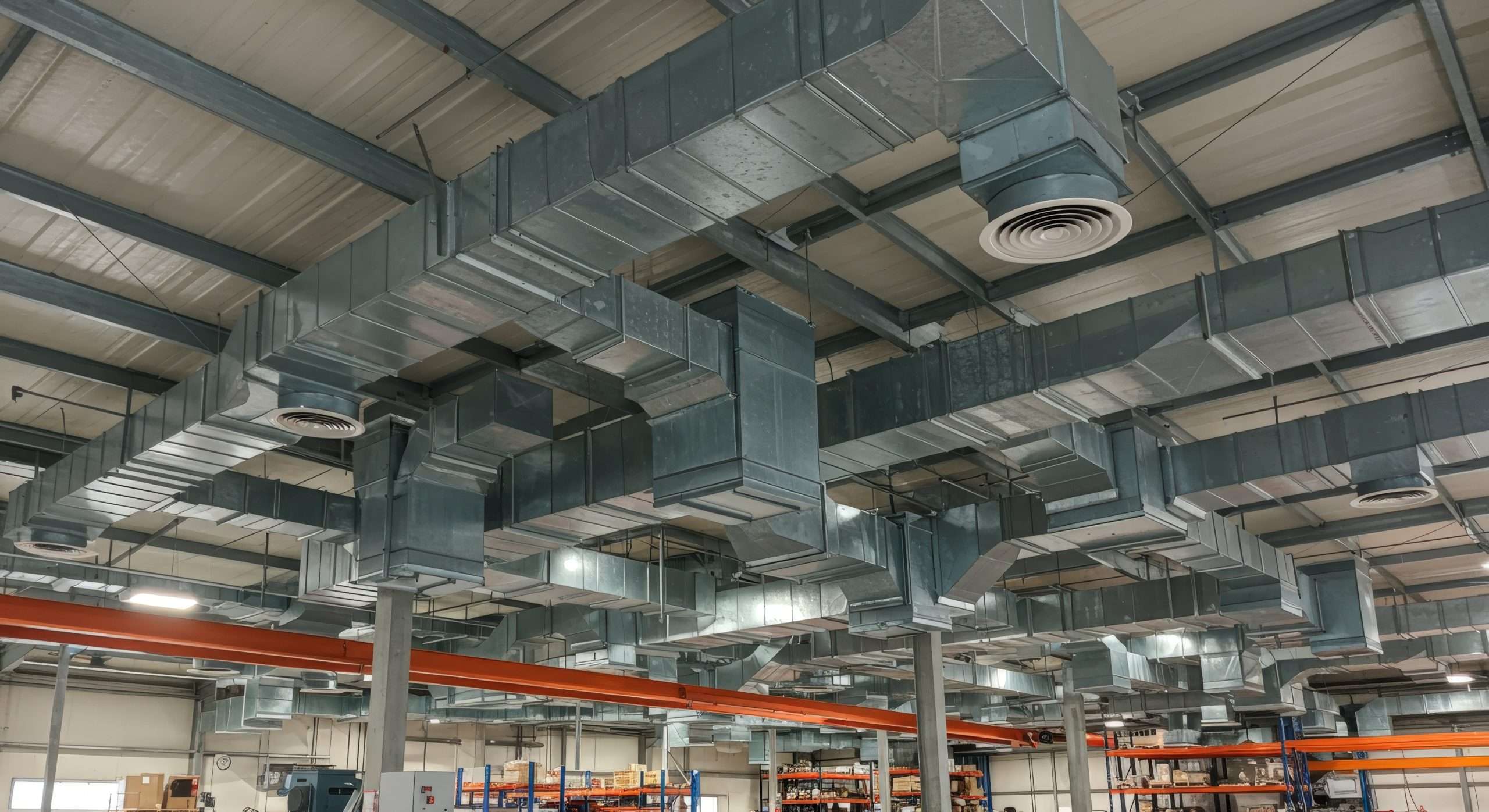
The operations director of a 320,000 square foot distribution center watched helplessly as the main rooftop unit failed during an August heatwave. Without warning signs, the 30-ton unit had been deteriorating for weeks, consuming 40% more energy than normal before catastrophic compressor failure. Warehouse Equipment Monitoring addresses these requirements effectively. Emergency replacement cost $47,000, expedited installation added another $12,000, and the three-day temperature excursion destroyed $89,000 in heat-sensitive inventory. The total incident cost exceeded $148,000, all preventable with equipment monitoring that would have detected the degradation weeks earlier.
HVAC equipment represents the largest single operating expense in most warehouse operations, typically consuming 50-65% of total energy costs. According to the Department of Energy, commercial HVAC systems operating without monitoring waste 20-30% of energy through inefficient operation, while unexpected failures cost three to five times more than planned maintenance.
Warehouse equipment monitoring transforms reactive maintenance into predictive asset management through continuous performance tracking. Modern IoT platforms monitor HVAC runtime, energy consumption, and operating parameters across all equipment, identifying developing problems before they cause failures. Distribution centers implementing comprehensive monitoring typically reduce HVAC costs by 35% while extending equipment life and eliminating unplanned downtime.
Warehouse equipment monitoring eliminates surprise failures and reduces HVAC costs through continuous performance tracking and predictive maintenance.
Average HVAC Cost Reduction
Reduction in Unplanned Downtime
Average Implementation Timeline
Why Warehouses Need Equipment Monitoring
Warehouses present unique equipment monitoring challenges due to massive HVAC systems, continuous operation requirements, and the critical role climate control plays in inventory protection. A typical distribution center operates multiple rooftop units, air handlers, and exhaust systems that must function reliably across extreme temperature ranges. Comprehensive equipment monitoring provides the visibility necessary to manage these complex systems efficiently.
The financial impact of HVAC inefficiency compounds across warehouse operations. A 300,000 square foot facility spending $400,000 annually on utilities loses $80,000-$120,000 to equipment running inefficiently. This waste continues invisibly until utility bills reveal the problem months later. Warehouse equipment monitoring identifies inefficiency immediately, enabling correction before waste accumulates.
Equipment failures in warehouse environments create cascading consequences beyond repair costs. HVAC failures during summer create worker safety hazards and may require facility closure. Warehouse Equipment Monitoring addresses these requirements effectively. Failures affecting climate-controlled storage destroy temperature-sensitive inventory. Emergency repairs cost three to five times more than planned maintenance due to premium labor rates and expedited parts.
Traditional maintenance approaches rely on scheduled service regardless of equipment condition. Time-based maintenance replaces components that may have years of remaining life while missing problems developing between service intervals. Healthcare facilities have long recognized that predictive maintenance based on actual equipment performance delivers superior outcomes compared to calendar-based approaches.

Warehouse equipment monitoring transforms HVAC management through continuous performance tracking across all rooftop units, air handlers, and exhaust systems.
How Warehouse Equipment Monitoring Works
Professional monitoring deploys sensors on HVAC equipment throughout warehouse environments, creating comprehensive visibility into system performance. These systems integrate with energy monitoring platforms that correlate equipment behavior with energy consumption.
Warehouse Equipment Monitoring Components
Current Transformers: Non-invasive clamp-on sensors measure electrical consumption at each piece of equipment. Changes in power draw indicate performance degradation, motor problems, or inefficient operation. Warehouse equipment monitoring tracks consumption continuously to establish baselines and detect anomalies.
Runtime Sensors: Equipment runtime tracking identifies units operating outside normal parameters. Excessive cycling indicates capacity problems or control issues. Extended runtime suggests equipment struggling to maintain conditions. These patterns predict failures before they occur.
Temperature Sensors: Supply and return air temperature monitoring reveals heat exchanger performance. Degradation in temperature differential indicates coil fouling, refrigerant issues, or airflow restrictions. Early detection enables cleaning or repair before efficiency losses accumulate.
Analytics Platform: The warehouse monitoring platform correlates data across sensors, identifying patterns that indicate developing problems. Machine learning algorithms establish normal operating profiles and alert when equipment deviates from expected behavior.
The platform generates actionable maintenance recommendations based on actual equipment condition rather than arbitrary schedules. Warehouse Equipment Monitoring addresses these requirements effectively. Service requests include specific symptoms and data supporting diagnosis, enabling technicians to arrive prepared with appropriate parts and tools.
5 Key Benefits of Warehouse Equipment Monitoring
Effective warehouse equipment monitoring delivers measurable benefits across multiple operational dimensions. Understanding these value drivers guides implementation prioritization and ROI calculation.
Predictive Failure Prevention
Equipment monitoring detects performance degradation weeks before catastrophic failure. Compressor problems, motor bearing wear, and refrigerant leaks create measurable signatures that monitoring systems identify. Early detection enables scheduled repairs at convenient times rather than emergency service during peak operations. Manufacturing facilities report 60% reduction in unplanned downtime through predictive monitoring approaches.
Energy Waste Elimination
Warehouse equipment monitoring identifies units consuming more energy than necessary. Dirty filters, refrigerant undercharge, and control malfunctions waste energy invisibly until monitoring reveals the problem. Facilities typically discover 15-25% energy waste correctable through simple maintenance actions identified by monitoring.
Extended Equipment Life
Equipment operating under stress wears faster than properly maintained systems. Monitoring identifies conditions that accelerate wear, enabling intervention before damage occurs. Facilities extending equipment life by even two to three years defer capital replacement costs of $50,000-$150,000 per major unit. Data center operations prioritize equipment longevity through similar monitoring strategies.
Maintenance Cost Optimization
Condition-based maintenance replaces time-based service schedules, eliminating unnecessary maintenance while ensuring critical service occurs when needed. Warehouse Equipment Monitoring addresses these requirements effectively. Facilities typically reduce maintenance costs 20-30% while improving equipment reliability through data-driven service decisions.
Vendor Accountability
Equipment monitoring provides objective data for evaluating HVAC contractor performance. Before and after measurements verify that maintenance actions delivered promised results. Equipment behavior following service calls confirms repairs addressed root causes rather than symptoms.
Real Results from Distribution Centers
Distribution centers implementing comprehensive warehouse equipment monitoring consistently report significant cost reductions and reliability improvements.
Warehouse Equipment Monitoring Results
- Distribution centers achieving 30-40% HVAC cost reduction within first year
- Facilities preventing $100,000+ emergency repairs through early problem detection
- Operations eliminating unplanned equipment downtime that disrupted logistics
- Multi-facility operators benchmarking equipment performance across warehouse portfolio
- Maintenance teams transitioning from reactive to predictive service models
A regional distribution company with five warehouses implemented monitoring after experiencing three major HVAC failures in a single summer. Monitoring detected problems at four units across the portfolio within the first month, all addressed through scheduled maintenance rather than emergency service. First-year savings exceeded $180,000 across the five facilities.
Cold storage facilities achieve particularly strong results through equipment monitoring. A refrigerated warehouse discovered two compressors consuming 35% more energy than similar units, indicating developing problems. Proactive repair prevented failures that would have destroyed $200,000+ in temperature-sensitive inventory.

Intuitive warehouse equipment monitoring dashboards display real-time performance across all HVAC equipment, enabling rapid identification of efficiency problems and maintenance needs.
Warehouse Equipment Monitoring vs. Traditional Maintenance
Traditional HVAC maintenance follows calendar-based schedules regardless of equipment condition. Technicians visit quarterly or semi-annually, perform standard service procedures, and depart without visibility into actual system health. This approach served adequately when alternatives were unavailable but leaves significant value unrealized.
Calendar-based maintenance misses problems developing between service visits. A compressor may begin failing the day after scheduled maintenance and continue deteriorating for months until the next visit. Warehouse equipment monitoring provides continuous visibility that detects problems immediately, regardless of service schedules.
Traditional approaches also waste resources on unnecessary service. Replacing filters on schedule regardless of actual condition wastes both filters and labor. Monitoring reveals when filters actually require replacement based on system performance, optimizing service frequency.
The combination of monitoring and maintenance delivers optimal results. Retail operations integrating monitoring with service programs report better outcomes than either approach alone. Monitoring identifies what needs attention while skilled technicians execute repairs effectively.
Implementation Process
Warehouse equipment monitoring implementation follows a structured process designed to deliver visibility rapidly while ensuring comprehensive coverage. Most facilities complete deployment within 10 days.
Equipment Inventory and Assessment
The process begins with a complete inventory of HVAC equipment including rooftop units, air handlers, exhaust fans, and refrigeration systems. Assessment identifies equipment age, capacity, and criticality to prioritize monitoring deployment. Food processing facilities follow similar equipment mapping protocols.
Assessment also reviews existing maintenance records and known problem areas. Historical context helps configure alert thresholds and interpret initial monitoring data.
Sensor Installation
Current transformers install on electrical feeds to each piece of equipment. Non-invasive clamp-on sensors require no electrical modifications or downtime. Temperature sensors place in supply and return air streams. Installation occurs during normal operations without affecting HVAC function.
Large facilities with numerous rooftop units may phase installation across multiple days based on roof access and operational priorities.
Baseline Establishment
The system monitors equipment for two to four weeks to establish normal operating profiles. Baseline data captures typical energy consumption, runtime patterns, and temperature performance under various conditions. Alert thresholds configure based on deviation from established baselines.
Ongoing support includes quarterly reviews examining equipment performance trends, maintenance recommendations, and optimization opportunities.
Take Action: Optimize Your Warehouse HVAC
Every month without comprehensive warehouse equipment monitoring represents wasted energy, accumulated wear, and unmanaged failure risk. HVAC problems that cause emergency repairs cannot be reversed once they occur.
Modern monitoring technology has eliminated the barriers that previously made equipment tracking impractical. Non-invasive sensors install without infrastructure investment. Cloud platforms eliminate software installation and maintenance. Subscription models remove capital expenditure requirements.
The ENERGY STAR program continues expanding emphasis on equipment efficiency, making proactive monitoring increasingly valuable for benchmarking and certification pursuits.
Choosing a Warehouse Equipment Monitoring Provider
Selecting the right monitoring partner ensures long-term value realization. Provider capabilities vary significantly, and the wrong choice can leave facilities without actionable insights despite monitoring investments.
Provider Evaluation Criteria
- Warehouse Experience: Providers should demonstrate specific experience with distribution center HVAC systems, understanding the unique challenges of rooftop units, high-bay heating, and dock door management.
- Equipment Coverage: Comprehensive monitoring covers all HVAC equipment types including rooftop units, split systems, exhaust fans, and refrigeration compressors. Limited coverage leaves blind spots in equipment visibility.
- Predictive Analytics: Beyond basic monitoring, platforms should provide predictive insights identifying developing problems before failure. Simple dashboards without analytics deliver limited value.
- Maintenance Integration: The platform should generate actionable work orders for maintenance teams or service contractors. Alerts without specific recommendations create noise rather than value.
- Multi-Facility Capability: Operators with multiple warehouses need centralized dashboards providing portfolio-wide equipment visibility and cross-facility benchmarking.
- Energy Correlation: Equipment monitoring integrated with energy monitoring reveals the cost impact of performance problems, enabling ROI calculation for maintenance investments.
- Support Availability: Technical support ensures assistance when equipment alerts require interpretation or system questions arise.
Request references from current warehouse customers operating facilities similar to yours. Provider track record in distribution center environments provides the best indicator of implementation success.
Distribution center operations depend on warehouse equipment monitoring to protect inventory investments that often exceed millions of dollars. Product damage from environmental excursions creates both immediate financial losses and downstream supply chain disruptions. Customer commitments cannot be met when inventory requires disposal rather than shipment.
Seasonal inventory buildups amplify the importance of reliable warehouse equipment monitoring systems. Pre-holiday inventory accumulation concentrates maximum value in warehouse facilities. Equipment failures during these periods create exponentially higher damage potential. Monitoring investments prove particularly valuable when protecting peak inventory levels.
Third-party logistics providers face contractual obligations for inventory protection that warehouse equipment monitoring supports directly. Customer contracts typically specify environmental maintenance requirements with penalties for non-compliance. Documented monitoring provides evidence of proper conditions while enabling rapid response to developing issues.
Cold chain logistics require continuous warehouse equipment monitoring throughout the storage and handling process. Temperature-sensitive products maintain quality only when conditions remain within specified ranges. Brief excursions during dock operations or equipment transitions can compromise entire shipments without proper monitoring.
Warehouse automation systems generate data that integrates with warehouse equipment monitoring platforms for comprehensive operational visibility. Conveyor systems, automated storage and retrieval equipment, and robotic handling systems all produce operational data. Unified monitoring platforms correlate environmental conditions with equipment performance for predictive insights.
Product quality assurance in temperature-sensitive environments depends on continuous warehouse equipment monitoring verification. Manufacturing processes, pharmaceutical storage, and food handling all require documented temperature maintenance. Automated monitoring provides the continuous verification that manual spot-checks cannot achieve.
Equipment performance degradation often manifests as temperature control issues before other symptoms appear. Warehouse Equipment Monitoring systems identify these early warning signs, enabling preventive maintenance that extends equipment lifespan while preventing unexpected failures.
Seasonal load variations challenge temperature control systems that warehouse equipment monitoring helps optimize. Summer cooling loads and winter heating requirements stress different system components. Continuous monitoring identifies seasonal performance issues that periodic inspections might miss.
After-hours temperature excursions represent a significant risk that warehouse equipment monitoring addresses directly. Equipment failures occurring when facilities are unoccupied can persist for hours before discovery. Instant alerts enable response regardless of time or day, preventing extended excursions that cause maximum damage.
Multi-zone temperature requirements create monitoring complexity that modern warehouse equipment monitoring platforms handle effectively. Different spaces within facilities may require different temperature ranges for occupant comfort, product storage, or equipment operation. Comprehensive monitoring ensures all zones maintain appropriate conditions simultaneously.
Warehouse Equipment Monitoring Success Stories
Real-world implementations of warehouse equipment monitoring demonstrate the tangible value these systems deliver across diverse warehouse operations. Examining specific deployment scenarios reveals both immediate benefits and long-term operational improvements that comprehensive monitoring enables.
A regional warehouse chain implemented warehouse equipment monitoring across 23 locations following a catastrophic equipment failure that resulted in significant losses. The standardized monitoring deployment identified 47 developing issues during the first year, each addressed before reaching critical status. Total prevented losses exceeded $340,000 against monitoring costs of $67,000, delivering a return exceeding 5:1 in the initial deployment year.
Single-location operators achieve proportional benefits from warehouse equipment monitoring implementations. A standalone warehouse facility reduced emergency maintenance calls by 73% following deployment, shifting from reactive repairs to planned maintenance activities. Staff overtime costs decreased while equipment availability improved, creating compounding operational benefits.
Multi-site operators particularly value the comparative insights that warehouse equipment monitoring enables. Performance differences between locations reveal best practices that propagate across the organization. Equipment that performs well at certain sites guides purchasing decisions for replacements at underperforming locations. This organizational learning accelerates continuous improvement initiatives.
Insurance carriers increasingly recognize warehouse equipment monitoring as a risk mitigation measure worthy of premium consideration. Several operators report premium reductions ranging from 5% to 15% following documented monitoring deployments. The combination of direct operational savings and insurance benefits strengthens the economic case for comprehensive monitoring investments.
Warehouse Equipment Monitoring Best Practices
Successful warehouse equipment monitoring deployments share common characteristics that maximize value while minimizing implementation challenges. Understanding these best practices guides effective monitoring strategies for warehouse operations of all sizes.
Deployment Best Practices
Comprehensive Coverage: Deploy warehouse equipment monitoring sensors at all critical points rather than sampling a subset of equipment. Partial coverage creates false confidence while leaving significant risks unmonitored. The marginal cost of additional sensors is minimal compared to the protection value.
Appropriate Thresholds: Configure alert thresholds based on actual operational requirements rather than generic defaults. Equipment specifications, product requirements, and regulatory standards all inform appropriate monitoring parameters.
Clear Escalation Procedures: Establish documented response procedures before deployment rather than improvising when alerts occur. Defined escalation paths ensure appropriate personnel receive notifications based on alert severity and time of occurrence.
Regular System Verification: Schedule periodic verification that warehouse equipment monitoring systems function correctly. Sensor battery levels, gateway connectivity, and alert delivery all require ongoing attention to maintain protection integrity.
Staff engagement determines whether warehouse equipment monitoring delivers maximum value. Training programs that explain system capabilities and demonstrate proper alert response create teams that leverage monitoring investments effectively. Engaged staff identify optimization opportunities that technical systems cannot recognize independently.
Operational excellence in modern warehouse facilities increasingly depends on comprehensive monitoring capabilities that warehouse equipment monitoring provides. The convergence of affordable sensor technology, reliable wireless communication, and powerful cloud analytics has made sophisticated monitoring accessible to operations of all sizes. Early adopters gain competitive advantages through better equipment reliability, lower operating costs, and superior risk management that late adopters struggle to match.
The decision to implement warehouse equipment monitoring reflects recognition that reactive approaches to facility management create unnecessary costs and risks. Every piece of unmonitored equipment represents a potential failure waiting to disrupt operations. Every undetected environmental excursion creates damage that accumulates until visible symptoms demand attention. Proactive monitoring transforms these hidden risks into managed variables with predictable outcomes.
Investment analysis for warehouse equipment monitoring consistently demonstrates positive returns across diverse warehouse applications. The combination of prevented losses, reduced maintenance costs, improved energy efficiency, and enhanced compliance documentation creates value that exceeds monitoring costs many times over. Organizations that quantify these benefits before implementation establish clear expectations that actual results typically exceed.
Professional deployment of warehouse equipment monitoring systems ensures that monitoring investments deliver maximum value from the first day of operation. Experienced providers understand the unique requirements of warehouse environments and configure systems that address specific operational challenges. This expertise accelerates time-to-value while avoiding the implementation issues that can frustrate self-managed deployments.
Frequently Asked Questions About Warehouse Equipment Monitoring
What equipment should warehouses monitor?
Essential equipment includes rooftop HVAC units, air handlers, exhaust fans, and any refrigeration compressors. Facilities with dock door heaters, unit heaters, or make-up air units should include these systems as well.
Professional assessment identifies all equipment consuming significant energy or critical to operations. Prioritization typically focuses on largest units and those with failure history.
How does warehouse equipment monitoring detect problems before failure?
Equipment problems create measurable signatures before catastrophic failure. Compressor problems cause increased energy consumption. Motor bearing wear creates runtime anomalies. Refrigerant leaks reduce cooling efficiency. Restaurant refrigeration monitoring uses similar detection approaches.
The platform establishes baseline performance for each unit and alerts when behavior deviates from normal patterns, typically weeks before failure would occur.
Will warehouse equipment monitoring work with our existing HVAC contractor?
Monitoring integrates with any HVAC service provider. The platform generates work orders that contractors can access, providing specific symptoms and data to support diagnosis. Many contractors appreciate monitoring data that helps them deliver better service.
Monitoring also provides objective measurement of contractor performance, verifying that service calls deliver promised results through before-and-after performance comparison.
Does installation require HVAC system downtime?
No. Current transformer sensors clamp onto electrical feeds without disconnecting power. Temperature sensors install in accessible locations without modifying ductwork. Installation occurs during normal operations without affecting HVAC function.
Rooftop installations may require coordination for safe roof access but do not require equipment shutdown. Educational facilities commonly schedule rooftop work during breaks for convenience rather than necessity.
How much does warehouse equipment monitoring cost?
Warehouse equipment monitoring typically costs $500-$1,200 per month for comprehensive HVAC coverage depending on the number of units monitored. Subscription models include sensors, platform access, and support without capital investment.
A single prevented emergency repair or avoided equipment failure typically exceeds several years of monitoring costs, providing substantial return on investment.
Can warehouse equipment monitoring integrate with building automation?
Modern monitoring platforms offer API integration enabling data sharing with existing building automation systems. Integration can enhance BAS capabilities with equipment-level insights that many automation systems lack.
Standalone operation remains available for facilities without building automation or preferring independent monitoring. Office buildings commonly integrate equipment monitoring with existing BAS infrastructure.
How quickly will we see results from equipment monitoring?
Visibility into equipment performance begins immediately upon installation. The platform typically identifies optimization opportunities within the first month as baseline data accumulates and anomalies become apparent.
Most facilities realize measurable energy savings within 60-90 days as monitoring-informed maintenance addresses efficiency problems. Failure prevention benefits accrue over time as the system detects developing problems before they cause failures.
How do we get started with warehouse equipment monitoring?
Getting started begins with a free facility assessment. Contact our team at detect@envigilance.com or call (888) 812-1971 to schedule an assessment of your warehouse equipment monitoring requirements.
Assessment inventories all HVAC equipment, recommends monitoring priorities, and provides cost analysis specific to your facility. Most warehouses achieve full deployment within 10 days of assessment completion.
Start Optimizing Your Warehouse HVAC Today
Warehouse equipment monitoring provides the visibility your distribution center needs to reduce HVAC costs and prevent equipment failures.
Your free facility assessment includes:
✓ Complete HVAC equipment inventory
✓ Energy consumption analysis by equipment
✓ Maintenance history review
✓ ROI projection based on your utility costs
✓ Implementation timeline and deployment plan
Email us at detect@envigilance.com | We reply within 24 hours
Related Industries
Equipment challenges affect all types of facilities. Operational challenges affect all types of facilities. Discover how other industries benefit from comprehensive building automation: