Automated Temperature Logging vs Manual Logs: Why Clipboards Fail Compliance
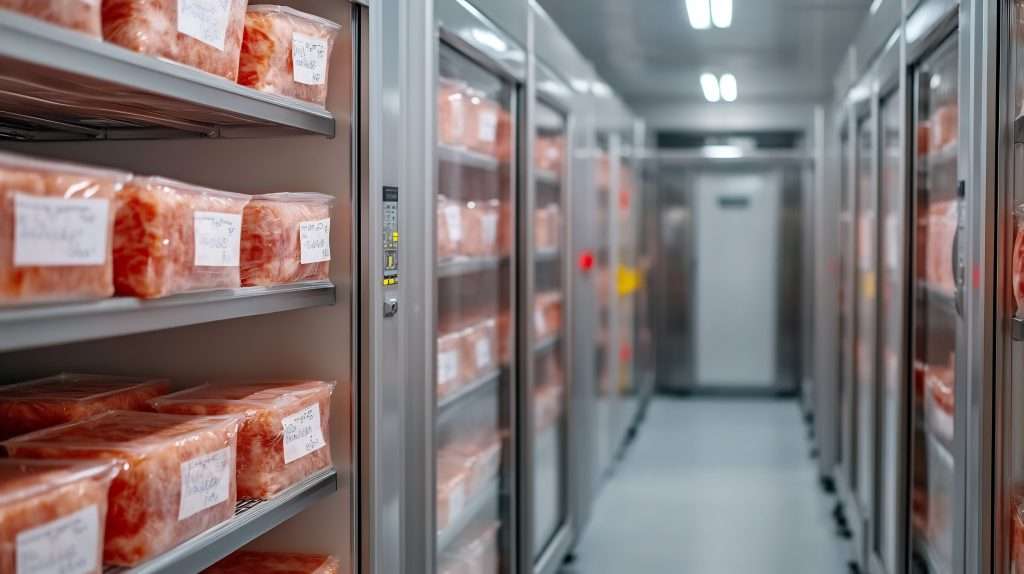
The walk-in cooler at a regional grocery chain failed at 2:17 AM on a Saturday. Nobody noticed until the morning shift arrived at 6:00 AM. By then, temperatures had climbed above 50°F for nearly four hours. The loss: $18,000 in spoiled inventory, a failed health inspection the following week, and three months of rebuilding customer trust after word spread through the community. The paper temperature log on the clipboard by the door showed perfect readings right up until closing time Friday night. Those manual entries, dutifully recorded every four hours, caught nothing.
This scenario plays out across food service, healthcare, and cold storage facilities far more often than anyone wants to admit. According to the CDC, approximately 48 million Americans contract foodborne illnesses each year at an estimated cost of $17.6 billion. A significant portion of these cases trace back to temperature control failures that went undetected because manual logging creates gaps measured in hours. The question is not whether manual temperature logs meet minimum compliance requirements. The question is whether they actually protect your inventory, your customers, and your business.
Automated temperature logging eliminates these blind spots entirely. Continuous monitoring catches problems in minutes, not hours, providing both real-time protection and bulletproof documentation. This guide explains why facilities serious about compliance and asset protection are abandoning clipboards for sensors.
Automated temperature logging provides 24/7 protection that manual checks simply cannot match, while eliminating compliance documentation headaches.
The Paper Log Problem: Why Manual Methods Fall Short
Manual temperature logs have served the food service and healthcare industries for decades. Their appeal is obvious: low cost, no technology requirements, and straightforward implementation. A thermometer, a clipboard, and a pen create a documentation system anyone can use. But this simplicity masks fundamental limitations that become increasingly problematic as compliance requirements tighten and the costs of temperature excursions rise.
The most glaring issue with manual temperature logs is the time gap between readings. Most health departments require temperature monitoring checks every two to four hours during operating hours. A restaurant checking cooler temperatures at 8 AM and noon leaves a four-hour window where anything could happen. Equipment failures, door seals failing, power fluctuations, all can cause temperatures to drift into the danger zone between 40°F and 140°F without anyone knowing until the next scheduled check.
Consider what happens during a typical busy Friday dinner service. The line cook responsible for temperature checks is handling orders, managing prep, and trying to keep the kitchen running smoothly. The 7 PM temperature check gets pushed to 7:30, then 8:00, then forgotten entirely in the rush. When they finally fill in the log at closing time, they record what they assume the temperatures were. This practice, known in the industry as pencil whipping, creates documentation that looks compliant but provides zero actual protection.
Common Manual Temperature Logging Failures
- Pencil whipping: Recording estimated or fabricated temperatures without actual measurement
- Missed checks: Skipping scheduled readings during busy periods or staffing shortages
- Overnight gaps: No monitoring between closing and opening, typically 8-12 hours
- Weekend and holiday gaps: Reduced staffing means less frequent or no temperature documentation
- Transcription errors: Misreading thermometers or recording wrong values
- Lost records: Paper logs damaged, misplaced, or discarded before retention period ends
The CDC requires Vaccines for Children (VFC) providers to use digital automated temperature logging data loggers with continuous monitoring capabilities, recording at intervals of at least every 30 minutes. This requirement exists because manual logging proved insufficient for protecting valuable vaccine supplies. The same logic applies to any temperature-sensitive inventory. Automated temperature logging captures readings continuously, eliminating the gaps that allow problems to go undetected.
The Compliance Documentation Challenge
Regulatory requirements for temperature documentation have grown increasingly stringent across industries. The FDA Food Safety Modernization Act shifted focus from responding to foodborne illness outbreaks to preventing them, with comprehensive temperature monitoring as a cornerstone of prevention strategies. HACCP plans require documented evidence of temperature control at critical control points. Healthcare facilities face CDC, state pharmacy board, and accreditation body requirements for medication and vaccine storage.
When health inspectors or auditors arrive, they examine temperature logs for consistency, completeness, and credibility. Paper logs that show identical readings day after day, week after week, raise immediate suspicion. A log showing 38°F for every single entry suggests the person filling it out stopped actually checking and started copying previous entries. Inspectors recognize these patterns, and what appears compliant on the surface can trigger deeper investigation.
Automated temperature logging systems generate time-stamped records that cannot be altered or fabricated. Each reading includes the exact time, the sensor location, and the measured value. This digital audit trail provides the kind of documentation that satisfies even the most rigorous compliance review. Food processing facilities, restaurants, and healthcare facilities using automated temperature logging systems consistently report smoother inspections and reduced compliance-related stress.

Automated temperature logging systems provide continuous monitoring with instant alerts and audit-ready documentation that manual logs simply cannot match.
The CDC recommends that refrigerator and freezer temperature logs be kept for at least three years. For facilities managing dozens of storage units across multiple locations, paper-based record retention becomes a significant administrative burden. Finding a specific temperature reading from eighteen months ago requires digging through boxes of paper logs. With automated systems, that same search takes seconds using digital filters and search functions.
Real-Time Alerts: Catching Problems Before They Become Disasters
The difference between a minor temperature excursion and a catastrophic inventory loss often comes down to response time. A walk-in freezer that loses refrigerant overnight might climb from -10°F to 0°F in the first hour, an easily correctable situation if caught. By hour four, temperatures might reach 20°F. By morning, the entire contents could be compromised. Manual temperature logging, by definition, cannot catch problems between scheduled checks.
Automated temperature logging systems with real-time alerting change this equation entirely. When temperatures deviate from preset thresholds, the system immediately notifies designated personnel via text message, email, or both. The manager sleeping at home receives an alert at 2:30 AM that the walk-in cooler has exceeded 42°F. They call the night cleaning crew to check the door seal, or dispatch emergency HVAC service before sunrise. The problem gets addressed while it is still a minor inconvenience rather than a major loss.
According to the Global Cold Chain Alliance, the average significant temperature excursion in frozen storage costs over $150,000 when accounting for product loss, disposal, regulatory response, and operational disruption. Warehouses storing high-value products like premium seafood or pharmaceutical-grade ingredients frequently experience losses exceeding $500,000 per event. The investment in automated temperature logging temperature logging represents a fraction of what a single undetected excursion could cost.
What Automated Temperature Logging Alerts Can Catch
- Compressor failures or refrigerant leaks causing gradual temperature rise
- Door seals failing or doors left ajar after deliveries
- Power interruptions affecting refrigeration equipment
- Defrost cycle failures causing ice buildup and efficiency loss
- Overloading of refrigeration units during high-volume deliveries
- HVAC system failures affecting ambient conditions in storage areas
Labor Cost Reduction: Time Saved Across the Organization
Manual temperature checks consume more staff time than most managers realize. Consider a restaurant with four walk-in units and two reach-in coolers. Checking each unit takes approximately two minutes when done properly: locating the thermometer, waiting for it to stabilize, recording the reading, noting any corrective actions needed, and moving to the next unit. At four checks per day, that totals 48 minutes of labor devoted solely to temperature documentation.
Multiply this across multiple locations in a franchise operation, and the numbers become substantial. A 50-location restaurant chain requiring four daily temperature rounds per location dedicates approximately 2,400 minutes, or 40 hours, of labor per day to manual temperature checks. At average food service wages, this represents significant annual labor expense for a task that automated systems handle continuously without human intervention.
Automated temperature logging eliminates these routine checks entirely. Staff time previously devoted to walking temperature rounds can be redirected to customer service, food preparation, cleaning, or other value-adding activities. Retail operations, manufacturing facilities, and schools all report meaningful labor cost reductions after implementing continuous monitoring. The technology does not replace employees; it frees them to focus on work that requires human judgment and interaction.
Beyond routine checks, consider the labor involved in maintaining paper records. Someone must organize logs, ensure they are complete, file them for retention, and retrieve them when auditors or inspectors request documentation. For multi-location operations, this administrative burden multiplies. Cloud-based automated temperature logging systems centralize all records in a searchable digital format, accessible from any device with internet connectivity. Generating compliance reports takes minutes rather than hours.
Equipment Maintenance Intelligence
Temperature data reveals more than just compliance status. Continuous automated temperature logging provides insights into equipment performance that manual spot-checks cannot capture. A refrigeration unit that consistently runs warmer than its peers might have a failing compressor, low refrigerant, or dirty condenser coils. Manual checks taken every four hours show only snapshots; automated temperature logging shows the full picture.
Trend analysis from automated temperature logging systems can predict equipment failures before they happen. A freezer that normally holds -5°F but has been gradually climbing toward 0°F over the past two weeks indicates a developing problem. The equipment still maintains compliance, but the trend suggests intervention is needed. This predictive capability enables scheduled maintenance rather than emergency repairs, reducing both equipment costs and the risk of inventory loss.
Indoor air quality monitoring combined with temperature data provides additional context for facility management. High humidity levels in refrigerated spaces indicate door seal problems or HVAC imbalances. Water leak detection sensors placed near refrigeration units catch condensate drain clogs before they cause floor damage or safety hazards. Integrated monitoring approaches create a comprehensive picture of facility conditions.

Automated temperature logging trend analysis reveals equipment performance issues before they cause failures, enabling proactive maintenance that protects inventory.
Industry-Specific Compliance Requirements
Different industries face different regulatory frameworks for temperature monitoring, but the trend across all sectors moves toward continuous digital documentation. Understanding specific requirements helps facilities select automated temperature logging solutions that meet their compliance needs.
The CDC requires all Vaccines for Children program providers to use certified, calibrated digital automated temperature logging data loggers set to record at intervals of at least every 30 minutes. Manual logs are explicitly prohibited for VFC compliance. Healthcare facilities storing medications, biologics, or vaccines face similar requirements from state pharmacy boards and accreditation bodies like The Joint Commission. Automated temperature logging is not optional for these operations; it is mandatory.
Food service operations under HACCP requirements must document temperature control at critical control points. While regulations do not always mandate automated systems, the documentation burden of HACCP compliance makes manual logging increasingly impractical. Food processing facilities subject to FDA regulation under FSMA face heightened scrutiny that automated systems help address. The ability to demonstrate continuous automated temperature logging and immediate corrective action provides significant advantages during regulatory inspections.
Regulatory Requirements by Industry
- Healthcare/Vaccines: CDC requires digital automated temperature logging data loggers recording at minimum 30-minute intervals for VFC programs
- Pharmaceuticals: FDA 21 CFR Part 11 requires electronic records with audit trails and access controls
- Food Processing: FSMA preventive controls require hazard analysis with documented temperature monitoring
- Restaurants: HACCP plans require documentation of temperature control at critical control points
- Cold Storage: Third-party audits (SQF, BRC) increasingly expect continuous monitoring capabilities
Is Your Temperature Documentation Audit-Ready?
Discover how automated temperature logging can eliminate compliance gaps and protect your inventory around the clock. Our experts will assess your current monitoring approach and show you exactly where vulnerabilities exist.
Implementation: Easier Than You Think
Facilities considering the transition from manual to automated temperature logging often overestimate the complexity and cost involved. Modern wireless automated temperature logging technology deploys in hours without disrupting operations. Sensors attach to or inside refrigeration units, connect to a wireless gateway, and begin transmitting data to cloud-based platforms immediately. No electrical work, no IT infrastructure changes, no operational downtime required.
Battery-powered wireless sensors last three to five years without replacement, eliminating ongoing maintenance concerns. Cloud-based platforms handle all data storage, alert routing, and report generation. Staff training typically takes less than an hour, as modern interfaces are designed for ease of use. The learning curve for checking a dashboard is far shorter than the learning curve for properly calibrating thermometers and maintaining compliant paper logs.
For commercial real estate properties with multiple tenant spaces, centralized automated temperature logging provides visibility across the entire portfolio. Data centers can monitor critical cooling systems alongside temperature-sensitive equipment. Office buildings with on-site food service can extend monitoring to break room refrigerators and vending equipment. The flexibility of wireless automated temperature logging systems accommodates virtually any facility configuration.
Monitoring as a Service: The Intelligence Layer Your Facility Needs
The comparison between automated temperature logging and manual logs is not about choosing technology over tradition. It is about choosing protection over vulnerability, continuous documentation over periodic snapshots, and proactive management over reactive crisis response. Manual logs will continue to exist, but they cannot provide the level of protection that modern compliance requirements and business risks demand.
Monitoring as a Service (MaaS) delivers professional-grade automated temperature logging without the capital investment or technical complexity of building internal systems. Wireless sensors deploy in hours. Cloud-based platforms provide instant access to current conditions and historical data from any device. Expert support translates alerts into actionable temperature maintenance recommendations. The ongoing cost of monitoring represents a fraction of what a single significant temperature excursion would cost.
For facilities serious about protecting temperature-sensitive inventory and maintaining regulatory compliance, automated temperature logging has moved from nice-to-have to essential infrastructure. The technology eliminates the gaps, errors, and vulnerabilities inherent in manual approaches while reducing labor costs and improving compliance documentation. The question is no longer whether to upgrade from paper logs. The question is how quickly you can make the transition.
Frequently Asked Questions About Automated Temperature Logging
What is automated temperature logging and how does it differ from manual logs?
Automated temperature logging uses wireless sensors to continuously measure and record temperatures in refrigeration units, storage areas, and other temperature-controlled environments. Unlike manual logs that capture point-in-time readings every two to four hours, automated systems record data continuously, typically at intervals ranging from every minute to every 30 minutes. The key differences include elimination of human error, continuous 24/7 monitoring including overnight and weekends, real-time alerts when temperatures deviate from safe ranges, and tamper-proof digital documentation that satisfies regulatory requirements.
What is pencil whipping and why is it a problem with manual temperature logs?
Pencil whipping refers to the practice of recording temperature readings without actually performing the measurement, typically by copying previous entries or estimating values. This happens frequently during busy periods when staff skip checks but still need to show complete logs for compliance purposes. Pencil whipping creates documentation that appears compliant but provides no actual protection against temperature excursions. It also creates significant legal liability; if a foodborne illness outbreak occurs and investigation reveals falsified logs, the business faces both regulatory penalties and civil liability. Automated temperature logging eliminates this risk entirely by removing human data entry from the recording process.
How quickly can automated temperature logging systems detect problems?
Modern automated temperature logging systems can detect temperature deviations within minutes of occurrence and send alerts immediately via text message, email, or both. This compares to manual logs that only capture readings every two to four hours during operating hours, with gaps of eight to twelve hours overnight and even longer gaps on weekends and holidays. The speed advantage means problems can be addressed while they are still minor, often preventing any inventory loss. A door left ajar, a failing compressor, or a power interruption can be caught and corrected within an hour rather than discovered the next morning after temperatures have been compromised for hours.
What are the typical costs of a temperature excursion event?
According to the Global Cold Chain Alliance, the average significant temperature excursion in frozen storage costs over $150,000 when accounting for product loss, disposal, regulatory response, and operational disruption. A single overnight cooler failure in a restaurant or grocery store can exceed $18,000 in spoiled inventory. Facilities storing high-value products like premium seafood, pharmaceuticals, or vaccines frequently experience losses exceeding $500,000 per event. Beyond direct product losses, temperature excursions can trigger failed health inspections, regulatory fines, increased insurance premiums, and long-term reputation damage that affects customer relationships for months or years.
Does automated temperature logging meet regulatory requirements?
Yes, automated temperature logging systems are designed to meet and exceed regulatory requirements across industries. The CDC specifically requires digital automated temperature logging data loggers for Vaccines for Children program compliance, with recording intervals of at least every 30 minutes. FDA 21 CFR Part 11 establishes requirements for electronic records in pharmaceutical and healthcare settings, including audit trails and access controls that quality automated temperature logging systems provide. For food service HACCP compliance, automated systems provide the continuous documentation of critical control points that regulators expect. Many facilities find that automated temperature logging systems make compliance easier and inspections smoother than manual log approaches ever did.
How difficult is it to install automated temperature logging systems?
Modern wireless automated temperature logging systems deploy in hours without disrupting operations. Battery-powered sensors attach to or inside refrigeration units, connect to a wireless gateway, and begin transmitting data immediately. No electrical work, IT infrastructure changes, or operational downtime required. Most sensors use long-range wireless protocols that work reliably in challenging environments like walk-in coolers and metal-lined freezers. Battery life typically ranges from three to five years, minimizing ongoing maintenance. Staff training takes less than an hour, as modern cloud-based interfaces are designed for ease of use. The implementation learning curve is far shorter than properly maintaining calibrated thermometers and compliant paper logs.
What types of facilities benefit most from automated temperature logging?
Any facility with temperature-sensitive inventory benefits from automated temperature logging, but the value is particularly compelling for operations with high-value inventory, multiple storage units, overnight or weekend periods without staff, and stringent regulatory requirements. Healthcare facilities storing vaccines and medications are often required to use digital automated temperature logging data loggers. Restaurants and food service operations reduce liability and improve HACCP compliance. Cold storage warehouses protect inventory worth millions of dollars. Grocery stores and convenience stores eliminate the compliance gaps that lead to failed inspections. Multi-location operations gain centralized visibility across all sites from a single dashboard, making oversight far more efficient than managing paper logs at each location.
How long should temperature records be retained?
The CDC recommends that refrigerator and freezer temperature logs be kept for at least three years. Individual state programs and industry-specific regulations may require longer retention periods. For paper logs, this creates significant storage and retrieval challenges, especially for multi-location operations. Automated temperature logging systems store records digitally in cloud-based platforms, making long-term retention effortless and retrieval instant. When auditors or inspectors request historical data, generating reports takes minutes rather than hours of searching through physical files. Digital records also eliminate the risk of logs being damaged, lost, or discarded before the retention period ends.
Stop Gambling with Gaps in Your Temperature Documentation
Every hour between manual temperature checks represents a window of vulnerability for your inventory, your compliance status, and your business reputation. Automated temperature logging closes those gaps permanently, providing continuous protection that paper logs cannot match. Modern wireless systems deploy in hours without disrupting operations, and the investment represents a fraction of what a single significant temperature excursion would cost.
- ✓ 24/7 monitoring with instant alerts when temperatures deviate from safe ranges
- ✓ Tamper-proof digital documentation that satisfies regulatory requirements
- ✓ Eliminate pencil whipping and human error from your compliance records
- ✓ Reduce labor costs by eliminating routine manual temperature rounds
- ✓ Predictive insights that identify equipment problems before they cause losses
Email us at detect@envigilance.com | We reply within 24 hours