Retail Air Quality Monitoring: Essential 2026 Guide
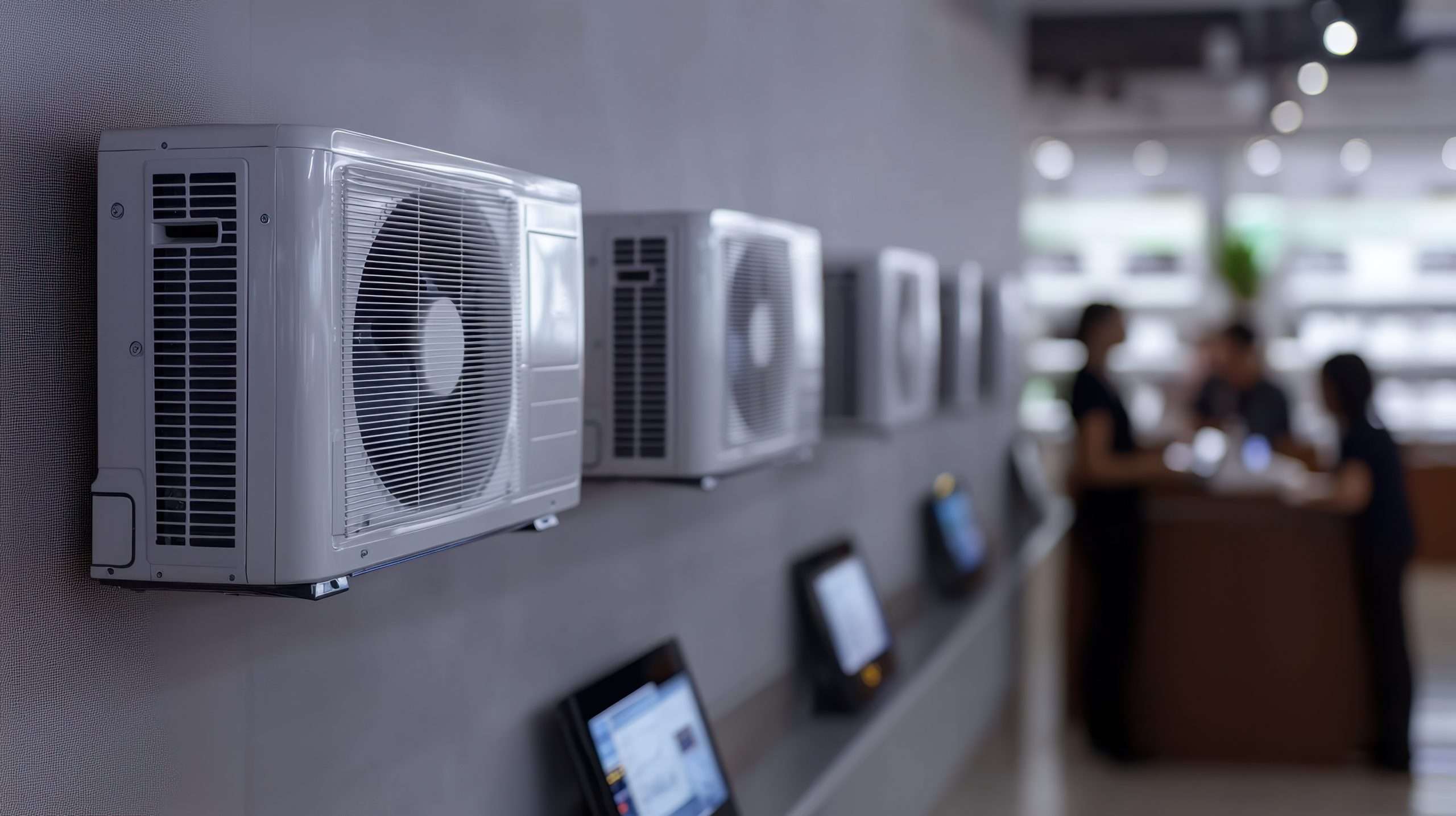
The district manager reviewing quarterly performance reports noticed a troubling pattern across the twenty-three store portfolio. Customer complaint rates had increased 34% year-over-year, with most issues centered on store environment rather than products or service. Exit surveys revealed shoppers describing stores as stuffy, stale, or uncomfortable. Average transaction values were declining at locations where comfort complaints were highest. Retail air quality monitoring systems installed at pilot locations revealed carbon dioxide levels routinely exceeding 1,200 ppm during peak hours, particulate concentrations from loading dock operations infiltrating sales floors, and HVAC systems cycling inefficiently due to malfunctioning sensors. Within sixty days of implementing comprehensive monitoring, pilot stores saw customer dwell time increase 18% and complaint rates drop 67%.
Indoor air quality problems affect retail operations at a scale most store managers never recognize. According to the Environmental Protection Agency, indoor air pollution levels are typically two to five times higher than outdoor levels. Retail environments face unique air quality challenges including high foot traffic generating particulate matter, product off-gassing from merchandise and displays, loading dock exhaust infiltration, and HVAC systems sized for occupancy loads that vary dramatically throughout business hours. The connection between air quality and customer behavior is well-documented. Research consistently shows that poor air quality reduces cognitive function, creates fatigue, and shortens shopping duration. In an industry operating on 2-5% margins where customer experience determines success, environmental conditions directly impact profitability.
Modern retail air quality monitoring transforms invisible environmental problems into actionable operational intelligence. Wireless sensors deploy throughout store environments in hours without disruption to business operations. Real-time dashboards provide visibility into carbon dioxide, particulate matter, volatile organic compounds, temperature, and humidity across every location. Automated alerts notify management when conditions deviate from optimal ranges, enabling immediate intervention before customer experience suffers. Multi-location retailers gain centralized visibility across entire portfolios, identifying patterns and implementing solutions systematically. The technology that previously required six-figure investments and dedicated engineering staff now deploys as a subscription service, fitting operating expense budgets and delivering measurable ROI within months.
Retail air quality monitoring delivers healthier shopping environments and improved customer experience through real-time visibility, automated alerts, and predictive analytics that traditional approaches cannot achieve.
Increase in Customer Dwell Time with Optimized Air Quality
Indoor Pollution Levels vs Outdoor (EPA)
Average Implementation Timeline
Why Retail Environments Need Continuous Air Quality Monitoring
Retail facilities present unique air quality challenges that differ fundamentally from other commercial buildings. High foot traffic generates continuous particulate matter from tracked-in dirt, clothing fibers, and skin cells. Customer volumes vary dramatically throughout the day, creating ventilation demands that change hourly. Loading dock operations introduce vehicle exhaust and outdoor pollutants directly into back-of-house areas that connect to sales floors. Product displays and packaging materials release volatile organic compounds continuously. Yet most retail HVAC systems operate on fixed schedules designed for average conditions, unable to respond to real-time air quality demands. Comprehensive indoor air quality solutions address these challenges through continuous monitoring and intelligent system integration.
The business impact of poor air quality extends far beyond customer comfort. Carbon dioxide concentrations above 1,000 ppm impair cognitive function, making shopping decisions more difficult and checkout interactions more frustrating. Particulate matter irritates respiratory systems, triggering allergies and creating negative associations with store visits. Volatile organic compounds from building materials, cleaning products, and merchandise create the stuffy smell that drives customers toward exits. Temperature and humidity variations make browsing uncomfortable, shortening shopping trips and reducing transaction values. Staff working eight-hour shifts in compromised air quality experience fatigue, reduced productivity, and increased absenteeism. The cumulative effect impacts sales, customer loyalty, and operational efficiency simultaneously. Commercial building monitoring systems provide the visibility needed to identify and address these hidden problems.
Traditional approaches to retail air quality management rely on periodic testing, customer complaints, and scheduled HVAC maintenance. By the time problems become visible through complaints or testing, damage to customer experience and sales has already occurred. A store might operate for months with elevated CO2 levels during peak hours, never knowing that environmental conditions were driving customers away. Ventilation systems may cycle based on timers rather than actual air quality needs, wasting energy while failing to address contamination events. Without continuous monitoring, retail operators cannot distinguish between HVAC performance issues, external pollution infiltration, and internal contamination sources. Evidence-based business energy management requires real-time data that reveals both air quality conditions and the energy consumed addressing them.
The U.S. Department of Energy reports that commercial buildings waste 30% of consumed energy on average, with significant portions attributable to HVAC systems operating without real-time feedback. Retail air quality monitoring enables demand-controlled ventilation that responds to actual conditions rather than arbitrary schedules. When CO2 sensors detect rising occupancy levels, fresh air intake increases automatically. When particulate monitors identify contamination events, filtration systems intensify. When air quality reaches optimal levels, systems reduce output to conserve energy. This intelligent operation improves both air quality and energy efficiency simultaneously, eliminating the false choice between comfort and cost control that plagues traditional retail operations.

Retail air quality monitoring transforms retail operations through continuous monitoring of critical environmental conditions affecting customer experience.
How Modern Retail Air Quality Monitoring Systems Work
Contemporary retail air quality monitoring combines advanced sensor technology with cloud-based analytics to deliver actionable environmental intelligence. Wireless sensors measuring carbon dioxide, particulate matter (PM2.5 and PM10), volatile organic compounds, temperature, and humidity deploy throughout store environments. Strategic placement ensures coverage of sales floors, stockrooms, checkout areas, fitting rooms, and back-of-house spaces. Each sensor communicates via cellular or wireless networks to cloud platforms, operating independently of store IT infrastructure. Smart temperature monitoring integrates seamlessly with air quality sensors to provide comprehensive environmental visibility.
The monitoring platform establishes baseline conditions for each location based on typical operating patterns. Machine learning algorithms identify normal variations from daily customer traffic cycles, seasonal changes, and operational activities. Alert thresholds customize to each environment, recognizing that acceptable CO2 levels differ between a high-volume discount retailer and a boutique with limited traffic. When conditions deviate from acceptable ranges, the system generates instant notifications via SMS, email, or mobile app. Store managers receive immediate alerts about air quality problems, enabling intervention before customer experience degrades. Smart detection systems extend beyond air quality to protect against water damage and other environmental threats.
Dashboard interfaces provide real-time visibility into conditions across all monitored locations. Multi-location retailers access portfolio-wide views showing air quality status at every store simultaneously. Color-coded displays highlight locations requiring attention while confirming optimal conditions elsewhere. Historical trending reveals patterns invisible to periodic testing, such as CO2 buildups during specific hours, particulate spikes correlated with loading dock schedules, or gradual filter degradation affecting long-term air quality. Regional managers identify underperforming locations for targeted intervention while sharing best practices from high-performing stores.
Integration capabilities connect air quality monitoring with building management systems and HVAC controls. When CO2 levels rise, the system can automatically increase fresh air intake. When particulate concentrations spike, filtration systems activate enhanced cleaning modes. When air quality reaches target levels, systems return to energy-efficient baseline operations. This closed-loop approach optimizes both air quality and energy consumption without requiring manual intervention. API connections enable data sharing with corporate sustainability platforms, facilities management systems, and operational dashboards. The result is comprehensive environmental management that operates continuously with minimal staff attention.
Seven Ways Retail Air Quality Monitoring Improves Store Performance
Retail air quality monitoring delivers value across multiple dimensions of store operations. Understanding these benefits helps retailers prioritize implementation and measure return on investment. Each improvement area compounds with others, creating cumulative performance gains that exceed the sum of individual benefits. Retail IoT environmental monitoring platforms integrate air quality with other operational metrics for comprehensive store management.
Enhanced Customer Experience and Dwell Time
Optimal air quality directly correlates with shopping duration and customer satisfaction. Research consistently demonstrates that comfortable environmental conditions encourage longer store visits. When CO2 levels remain below 800 ppm and particulate matter stays within healthy ranges, customers browse longer, consider more products, and make larger purchases. Retail air quality monitoring enables proactive management of these conditions rather than reactive response to complaints. Store managers receive alerts before problems affect customer experience, enabling intervention that protects sales performance.
Staff Productivity and Wellness Protection
Retail employees spend entire shifts in store environments, making air quality critical to their health and performance. Poor air quality causes fatigue, headaches, and respiratory irritation that impact customer service quality. Long-term exposure to substandard conditions increases absenteeism and turnover, creating hiring and training costs. Healthcare facility monitoring research confirms that air quality directly affects occupant wellness and productivity. Retail air quality monitoring protects staff health while improving the customer interactions that drive sales.
Energy Optimization Through Demand-Controlled Ventilation
HVAC systems typically represent 40-50% of retail energy consumption, according to ENERGY STAR benchmarking data. Traditional systems operate on fixed schedules regardless of actual conditions, wasting energy during low-occupancy periods while potentially under-ventilating during peak traffic. Retail air quality monitoring enables demand-controlled ventilation that adjusts output based on real-time CO2 and occupancy levels. Energy consumption decreases during slow periods while air quality improves during busy times. The efficiency gains typically deliver 15-25% HVAC energy reduction without sacrificing environmental quality.
Contamination Event Detection and Response
Retail environments face contamination risks from multiple sources including loading dock exhaust infiltration, cleaning chemical off-gassing, customer-caused spills, and HVAC malfunction. Without continuous monitoring, contamination events may persist for hours or days before detection. Retail air quality monitoring identifies VOC spikes, particulate surges, and other contamination indicators in real-time, enabling immediate response. Warehouse environmental monitoring demonstrates similar capabilities for detecting contamination events in adjacent operational spaces.
HVAC Performance Verification and Maintenance Optimization
Air quality data reveals HVAC system performance issues invisible to traditional maintenance approaches. Rising CO2 levels despite adequate system operation indicate ventilation problems. Elevated particulate concentrations suggest filter degradation or bypass. Temperature and humidity variations reveal distribution issues. Retail air quality monitoring transforms maintenance from calendar-based schedules to condition-based intervention, reducing costs while improving system performance. Service providers receive data-driven work orders rather than generic inspection requests.
Multi-Location Portfolio Management
Regional and national retailers managing dozens or hundreds of locations face impossible oversight challenges without systematic monitoring. Retail air quality monitoring provides centralized visibility across entire portfolios, enabling corporate facilities teams to identify underperforming locations, compare store conditions, and implement consistent standards. Best practices from high-performing locations transfer to struggling stores. Resource allocation decisions rely on data rather than anecdote. School district monitoring demonstrates similar portfolio-wide management capabilities for geographically distributed facilities.
Compliance Documentation and Risk Mitigation
Indoor air quality regulations continue evolving at state and local levels. Some jurisdictions now require CO2 monitoring in commercial buildings, with more expected to follow. Retail air quality monitoring provides continuous documentation of environmental conditions, supporting compliance with current and future requirements. Historical records demonstrate due diligence in maintaining healthy environments, potentially mitigating liability exposure from air quality-related claims. Insurance providers increasingly recognize monitoring as a risk management best practice.
Measuring Retail Air Quality Monitoring ROI
Calculating return on investment for retail air quality monitoring requires examining multiple value streams that contribute to overall financial performance. While some benefits provide direct cost savings measurable in utility bills or maintenance invoices, others deliver revenue protection and enhancement that requires correlation analysis. Restaurant IoT monitoring demonstrates similar multi-dimensional ROI analysis for customer-facing commercial environments.
A typical 10,000 square foot retail store spending $35,000 annually on HVAC energy can expect 15-25% savings through demand-controlled ventilation enabled by air quality monitoring. This translates to $5,250-$8,750 annual energy reduction. Staff productivity improvements from better air quality typically deliver 2-5% gains, worth $4,000-$10,000 annually in a store with $200,000 labor costs. Reduced absenteeism saves additional hiring and overtime costs. Maintenance optimization through predictive insights typically reduces HVAC service expenses 10-20%, saving $1,500-$3,000 annually for a store with $15,000 maintenance budget.
Revenue protection and enhancement provide the largest potential returns, though they require more sophisticated measurement. Customer dwell time increases of 10-20% correlate with proportional sales improvements. Reducing environmental complaints by 50% or more eliminates negative experiences that drive customers to competitors. For a store generating $2 million annually, even a 1% sales improvement from better environmental conditions delivers $20,000 additional revenue. Combined benefits typically generate $35,000-$50,000 annual value against monitoring investment of $3,600-$7,200 per location. Multi-location portfolios compound savings while benefiting from centralized management capabilities.

Retail air quality monitoring dashboards provide facility managers with real-time visibility into critical environmental metrics across all store locations.
Retail Air Quality Monitoring vs Traditional Approaches
Traditional retail environmental management relies on periodic testing, reactive complaint response, and scheduled HVAC maintenance. These approaches create fundamental blind spots that continuous monitoring eliminates. Understanding the limitations of traditional methods clarifies the value proposition of modern retail air quality monitoring systems.
Periodic Testing vs Continuous Monitoring
Annual or quarterly air quality testing provides snapshots that may not represent typical conditions. Testing conducted during low-traffic periods misses peak-hour CO2 buildups. Assessments performed on mild-weather days miss seasonal ventilation challenges. Data center monitoring demonstrates that continuous assessment reveals patterns invisible to periodic testing, a principle equally applicable to retail environments.
Reactive vs Proactive Management
Waiting for customer complaints to identify air quality problems means damage to sales and reputation has already occurred. By the time discomfort becomes severe enough to generate complaints, numerous customers have shortened visits or departed without purchasing. Food processing facility monitoring demonstrates how proactive detection prevents quality problems before they affect operations or products.
Calendar-Based vs Condition-Based Maintenance
Scheduled HVAC maintenance replaces filters and performs inspections on fixed intervals regardless of actual conditions. This approach often changes filters too early (wasting money) or too late (compromising air quality). Manufacturing plant monitoring shows how condition-based maintenance optimizes service intervals based on actual equipment performance data.
Single-Location vs Portfolio Visibility
Traditional approaches treat each store as an isolated environment, missing opportunities for cross-location learning and standardization. Multi-location retailers cannot identify which stores face environmental challenges without visiting each location. Retail air quality monitoring provides portfolio-wide visibility enabling systematic improvement across all properties.
The cost comparison between traditional and modern approaches further favors continuous monitoring. Annual professional air quality testing costs $500-$2,000 per location while providing only momentary snapshots. HVAC service contracts with periodic inspections run $3,000-$8,000 annually per location without real-time visibility. Continuous monitoring at $300-$600 monthly per location delivers 24/7 visibility, automated alerts, historical trending, and multi-location management capabilities that traditional approaches cannot match at any price point.
Implementing Retail Air Quality Monitoring: A Practical Timeline
Deploying retail air quality monitoring follows a structured process designed to minimize operational disruption while maximizing value delivery. Most implementations complete within 72 hours per location, enabling rapid portfolio rollouts for multi-location retailers. Commercial building monitoring implementations follow similar accelerated timelines that respect operational requirements.
Phase 1: Assessment and Planning (Day 1)
Initial store assessment identifies optimal sensor placement based on layout, HVAC configuration, and operational patterns. Key monitoring points include sales floor zones, checkout areas, stockrooms, receiving docks, and any specialized spaces like fitting rooms or food service areas. Facility energy optimization assessments often coordinate with air quality planning to identify integrated monitoring opportunities.
Assessment teams document existing HVAC systems, evaluate cellular connectivity throughout the space, and identify power sources for any wired components. Store management provides input on problem areas, customer complaint patterns, and operational schedules. The result is a customized deployment plan specifying sensor types, quantities, and locations tailored to each store environment.
Phase 2: Sensor Deployment (Day 1-2)
Wireless sensor installation proceeds without disruption to store operations. Battery-powered devices mount on walls, ceilings, or shelving using non-invasive adhesive or magnetic attachments. No electrical work, network configuration, or structural modification is required. Typical retail air quality monitoring installations complete in 2-4 hours per store during normal business hours.
Installation technicians verify sensor connectivity, confirm data transmission to cloud platforms, and document device locations. Store personnel receive brief orientation on sensor purpose and appearance to ensure devices remain undisturbed during daily operations. Deployment teams coordinate with store schedules to minimize impact during peak traffic periods.
Phase 3: Baseline Establishment (Week 1-2)
The monitoring system observes normal operations to establish baseline conditions and identify typical patterns. CO2 levels correlate with customer traffic cycles. Particulate concentrations reveal daily and weekly variations. Temperature and humidity patterns emerge based on HVAC schedules and external conditions. This baseline period enables intelligent alert threshold configuration that distinguishes genuine problems from normal variations.
Store management receives dashboard access and training during this period. Teams learn to interpret real-time displays, navigate historical data, and respond to alert notifications. Regional managers and corporate facilities staff configure portfolio views appropriate to their oversight responsibilities.
Phase 4: Optimization and Integration (Month 2+)
With baseline data established, alert thresholds refine to eliminate false positives while catching genuine issues. Integration with HVAC controls enables demand-controlled ventilation based on real-time conditions. Reporting schedules establish for regular management review. Additional sensors deploy to expand coverage based on initial findings. Multi-location retailers begin systematic comparison and improvement across portfolios.
Ongoing support includes 24/7 monitoring and alerting, technical assistance for any device issues, and periodic business reviews documenting value delivered. System updates deploy automatically via cloud infrastructure, ensuring continuous access to latest capabilities without store-level intervention.
Take Action: Transform Your Retail Air Quality Management
Every day retail stores operate without air quality visibility represents missed opportunities to improve customer experience, protect staff health, and optimize operational costs. Retail air quality monitoring transforms invisible environmental conditions into actionable intelligence that drives measurable business improvement. The technology proven across thousands of commercial installations now deploys easily and affordably at retail scale.
The retailers gaining competitive advantage through better environmental management started with simple assessments. A facility walkthrough identifies monitoring priorities and reveals hidden problems affecting store performance. Pilot deployments demonstrate value at individual locations before portfolio-wide rollout. Risk-free evaluation enables evidence-based decisions about expanded implementation.
Your competitors may already be implementing air quality monitoring to improve their customer environments. Industry adoption accelerates as retailers recognize the connection between environmental conditions and business performance. Early adopters establish baseline data and optimization practices while others continue operating blind to conditions affecting their stores.
Choosing the Right Retail Air Quality Monitoring Provider
Selecting a monitoring partner requires evaluation across multiple dimensions including technology capability, deployment expertise, support infrastructure, and total cost of ownership. Monitoring as a Service (MaaS) providers offer comprehensive solutions without capital investment, making advanced capabilities accessible to retailers of all sizes.
Essential Criteria for Retail Air Quality Monitoring Partners
- Retail Environment Experience: Providers should demonstrate successful deployments in retail settings with understanding of foot traffic patterns, operational requirements, and customer-facing considerations.
- Comprehensive Sensor Capabilities: Systems should monitor CO2, particulate matter (PM2.5/PM10), VOCs, temperature, and humidity using commercial-grade sensors with documented accuracy specifications.
- Multi-Location Management: Platforms must support portfolio-wide visibility with role-based access enabling store, regional, and corporate management views.
- Rapid Deployment Capability: Installation should complete within 72 hours per location without operational disruption or IT infrastructure requirements.
- Integration Options: Systems should connect with existing building management systems, HVAC controls, and corporate reporting platforms via standard APIs.
- Responsive Support: Providers should offer 24/7 technical support with defined response time commitments and proactive monitoring of system health.
- Transparent Pricing: All-inclusive subscription pricing should cover hardware, software, cellular connectivity, support, and ongoing system updates without hidden fees.
The right partner approaches retail air quality monitoring as a business improvement initiative rather than a technology sale. Discovery processes should identify operational priorities and ROI opportunities. Implementation plans should respect retail operational realities. Ongoing relationships should focus on delivered value rather than equipment maintenance. Energy monitoring capabilities often integrate with air quality systems for comprehensive environmental and operational visibility.
Frequently Asked Questions About Retail Air Quality Monitoring
What parameters does retail air quality monitoring measure?
Comprehensive retail air quality monitoring systems measure multiple parameters critical to store environments. Carbon dioxide (CO2) levels indicate ventilation adequacy relative to occupancy. Particulate matter sensors detect PM2.5 and PM10 concentrations from foot traffic, outdoor infiltration, and internal sources. Volatile organic compound (VOC) sensors identify off-gassing from merchandise, cleaning products, and building materials.
Temperature and humidity monitoring complements air quality parameters to provide complete environmental visibility. Some systems add formaldehyde detection for stores with significant wood products or new construction materials. The specific sensor configuration depends on store characteristics, product categories, and operational priorities identified during assessment.
All parameters transmit continuously to cloud platforms for real-time monitoring and historical analysis. Dashboard interfaces display current conditions while alerting systems notify management when any parameter exceeds acceptable thresholds.
How does retail air quality monitoring improve customer experience?
Retail air quality monitoring improves customer experience by ensuring optimal environmental conditions throughout shopping visits. When CO2 levels remain below 800 ppm, customers experience clearer thinking and reduced fatigue, enabling longer browsing and better purchase decisions. Low particulate concentrations prevent respiratory irritation and allergic reactions that create negative store associations.
Comfortable temperature and humidity levels maintained through monitoring integration encourage extended visits. Elimination of stuffy or stale air conditions removes unconscious discomfort that shortens shopping trips. Customers may not consciously recognize air quality improvements, but their behavior demonstrates preferences for well-maintained environments through longer dwell times and higher transaction values.
What is the typical ROI timeline for retail air quality monitoring?
Most retail locations achieve positive return on investment within 3-6 months of retail air quality monitoring deployment. Energy savings from demand-controlled ventilation begin immediately, typically delivering 15-25% HVAC cost reduction. Staff productivity improvements accumulate as better air quality reduces fatigue and absenteeism. Commercial building energy monitoring implementations demonstrate similar rapid payback timelines.
Revenue enhancement from improved customer experience requires longer measurement periods but often provides the largest financial impact. Multi-location retailers typically see clearer ROI through portfolio-wide comparison, identifying which locations benefit most from environmental improvements and quantifying the business impact of air quality optimization.
Does retail air quality monitoring require IT infrastructure changes?
Modern retail air quality monitoring systems operate independently of store IT infrastructure. Wireless sensors communicate via cellular networks or dedicated gateway devices, requiring no connection to store WiFi or POS networks. This independence eliminates IT security concerns and coordination requirements that slow deployment.
Cloud-based platforms provide dashboard access through standard web browsers without software installation. Store managers, regional supervisors, and corporate teams access the system from any internet-connected device. API integrations with corporate systems proceed independently when desired, but are not required for full monitoring functionality.
How many sensors does a typical retail store require?
Sensor quantity depends on store size, layout complexity, and monitoring objectives. A typical 10,000 square foot retail location requires 4-8 air quality sensors for comprehensive coverage. Larger stores, multi-level layouts, or spaces with distinct environmental zones require additional sensors. Smart water leak detection sensors often deploy alongside air quality devices for comprehensive environmental protection.
Strategic placement maximizes coverage efficiency. Sales floor sensors monitor customer areas. Stockroom sensors detect back-of-house conditions. Receiving dock sensors identify infiltration from loading operations. HVAC return air sensors verify system performance. Assessment processes identify optimal sensor locations based on each store’s unique characteristics and priorities.
Can retail air quality monitoring integrate with existing HVAC systems?
Retail air quality monitoring integrates with most modern building management and HVAC control systems through standard protocols and APIs. Integration enables demand-controlled ventilation that automatically adjusts fresh air intake based on real-time CO2 levels. When occupancy increases and CO2 rises, the system increases ventilation. When conditions normalize, the system returns to efficient baseline operation.
For stores with older HVAC systems lacking integration capabilities, monitoring still provides valuable visibility and alerting. Manual response based on air quality alerts improves conditions even without automated control. Many retailers begin with monitoring-only implementations, adding HVAC integration as systems upgrade or during renovation projects.
What maintenance do retail air quality monitoring sensors require?
Modern retail air quality monitoring sensors require minimal maintenance. Battery-powered devices operate 3-5 years before battery replacement. Cloud platforms monitor sensor health automatically, alerting support teams when devices require attention. CO2 sensors use non-dispersive infrared technology that maintains calibration over extended periods. Smart temperature monitoring devices demonstrate similar reliability and low maintenance requirements.
Particulate and VOC sensors may require periodic calibration or replacement depending on environmental exposure. Subscription service models typically include all maintenance activities at no additional cost. Providers proactively manage device health and coordinate any required service with store operations to minimize disruption.
How quickly can retail air quality monitoring detect contamination events?
Retail air quality monitoring systems detect contamination events within 60 seconds of occurrence. Sensors sample air continuously at intervals ranging from 15 seconds to 5 minutes depending on configuration. When readings exceed alert thresholds, notifications transmit immediately via SMS, email, or mobile app push notification.
This rapid detection enables prompt response to contamination sources including loading dock exhaust infiltration, chemical spills, cleaning product off-gassing, or HVAC malfunction. Store personnel can ventilate affected areas, address contamination sources, or evacuate if necessary long before conditions would be detected through human observation or complaint.
Transform Your Retail Air Quality Management
Retail air quality monitoring provides the real-time visibility and environmental intelligence your stores need to optimize customer experience, protect staff wellness, and control operational costs. Every day without comprehensive monitoring represents undetected conditions affecting sales performance in an industry where customer comfort determines success.
Your free facility assessment includes:
- Comprehensive air quality analysis and environmental assessment
- Monitoring point recommendations and priority identification
- ROI analysis with projected cost savings and performance improvements
- Deployment timeline without operational disruption
- Retail-specific optimization assessment and integration planning
Email us at detect@envigilance.com | We reply within 24 hours
Related Industries
Indoor air quality challenges affect all types of facilities. Discover how other industries benefit from comprehensive air quality monitoring: