Hotel Temperature Monitoring: Proven Guest Comfort Standards 2026

The guest services manager fielded the third complaint that morning about room temperatures in the east wing. Investigation revealed the HVAC system had been cycling erratically since 2 AM, leaving guests in rooms 412 through 428 alternating between too hot and too cold. By checkout, two guests demanded refunds totaling $1,800, and the hotel braced for the inevitable negative TripAdvisor reviews that would affect bookings for months.
Temperature complaints remain the most common guest issue in hospitality, directly affecting online reviews and booking decisions. Hotels use 3 to 5 times more energy per square foot than typical office buildings, with HVAC representing 50 to 60 percent of total energy consumption. When these systems malfunction, properties face both immediate guest dissatisfaction and long-term reputation damage that erodes profitability.
Hotel temperature monitoring provides continuous environmental visibility across guest rooms, public spaces, and mechanical areas, detecting comfort issues before guests complain. With wireless sensors deploying in 24 hours without disrupting operations, properties gain the proactive capability to maintain brand standards and protect guest satisfaction around the clock.
Hotel temperature monitoring delivers consistent guest comfort through real-time visibility, automated alerts, and predictive analytics that traditional approaches cannot achieve.
Of Hotel Energy Consumed by HVAC Systems
Average Energy Cost Per Room Annually
Average Implementation Timeline
Why Guest Satisfaction Depends on Hotel Temperature Monitoring
Hotels operate in an environment where guest comfort directly determines financial success. Unlike office buildings where occupants tolerate minor discomfort, hotel guests paying premium rates expect perfect temperature control from check-in to checkout. When HVAC systems underperform, properties lose revenue through refunds, compensation, and booking cancellations that follow negative reviews. Smart temperature monitoring provides the visibility needed to maintain brand standards across every room and public space.
The hospitality industry faces unique temperature management challenges that standard building systems struggle to address. Guest rooms remain occupied unpredictably, with some guests preferring temperatures ten degrees warmer or cooler than neighbors. Conference rooms swing from empty to packed within minutes. Lobbies and restaurants must balance aesthetic openness with climate control. These variations demand hotel temperature monitoring sophistication that basic thermostats cannot provide.
Traditional temperature management relies on guest complaints to identify problems, creating a reactive cycle that guarantees dissatisfaction. By the time a guest calls the front desk about their room being too warm, their experience has already been compromised. Proactive monitoring systems detect temperature deviations as they begin, enabling staff to resolve issues before guests notice anything wrong.
According to the U.S. Environmental Protection Agency, hotels use significantly more energy than comparable commercial buildings, with HVAC systems consuming the majority of that energy. This consumption creates both cost pressure and environmental responsibility that hotel temperature monitoring helps address while simultaneously improving guest experiences.

Hotel temperature monitoring transforms hospitality operations through continuous monitoring of critical environmental conditions.
How Hotel Temperature Monitoring Technology Works
Modern hotel temperature monitoring uses wireless IoT sensors to track environmental conditions throughout properties without disrupting guest operations or requiring extensive infrastructure changes. The technology integrates with existing HVAC systems while providing visibility that commercial building monitoring platforms enable across entire portfolios.
Hotel Temperature Monitoring System Components
Wireless Temperature Sensors: Compact devices install in guest rooms, corridors, public spaces, and mechanical areas to capture temperature readings every few minutes. Battery-powered sensors operate for 5 to 10 years without maintenance, and wireless communication eliminates disruption during installation.
HVAC Equipment Monitoring: Sensors attached to air handling units, chillers, and rooftop units track equipment performance including discharge temperatures, refrigerant pressures, and runtime patterns. This data reveals efficiency degradation and predicts failures before they affect guest comfort.
Cloud Analytics Platform: Sensor data transmits via cellular or mesh networks to cloud-based software that analyzes patterns, generates alerts, and provides dashboards accessible from any device. Machine learning algorithms identify anomalies that indicate developing problems.
Alert and Notification System: When temperatures deviate from acceptable ranges, instant alerts notify engineering staff, management, and facilities teams via SMS, email, or mobile app. Escalation protocols ensure critical issues receive immediate attention regardless of time or day.
The system operates independently of property WiFi networks, protecting guest bandwidth while ensuring reliable data transmission. Integration with property management systems enables occupancy-based optimization, reducing energy waste in unoccupied rooms while maintaining instant comfort restoration when guests check in.
5 Ways Hotel Temperature Monitoring Improves Guest Experience
Implementing hotel temperature monitoring delivers measurable improvements across guest satisfaction, operational efficiency, and financial performance. Properties gain capabilities that transform reactive maintenance into proactive facility management while protecting brand reputation.
1. Prevent Guest Complaints Before They Happen
Continuous hotel temperature monitoring detects temperature deviations as they begin, enabling staff to resolve issues before guests experience discomfort. When room 512’s temperature rises 5 degrees above setpoint, engineering receives an alert and adjusts the system before the guest picks up the phone. This proactive approach transforms the guest experience from complaint-driven to seamlessly comfortable.
2. Protect Online Reviews and Booking Revenue
Temperature issues drive negative reviews on TripAdvisor, Google, and booking platforms that influence purchasing decisions for months or years. A single “freezing room” complaint visible to thousands of potential guests costs far more than any monitoring investment. Hotels using environmental monitoring report fewer comfort-related complaints and improved review scores.
3. Reduce Energy Waste in Unoccupied Rooms
Hotels waste significant energy heating and cooling empty rooms to occupied standards. Hotel temperature monitoring integrated with occupancy data identifies rooms maintaining full climate control while unoccupied, enabling setback strategies that reduce waste by 20 to 35 percent. The savings flow directly to profit margins in an industry where utility costs consume 6 to 10 percent of revenue.
4. Enable Multi-Property Portfolio Management
Hotel chains and management companies need visibility across dozens or hundreds of properties. Centralized monitoring dashboards enable corporate facilities teams to compare performance, identify underperforming properties, and ensure brand standards across the portfolio regardless of individual property manager capabilities.
5. Predict Equipment Failures Before Peak Seasons
HVAC equipment that fails during sold-out weekends creates cascading problems: guest relocations, refunds, overtime labor, and emergency repair costs. Hotel temperature monitoring tracks equipment performance trends that reveal efficiency degradation weeks before catastrophic failure, enabling planned maintenance during low-occupancy periods.
Hotel Temperature Monitoring ROI: Calculating Your Savings
Understanding the financial impact of hotel temperature monitoring requires examining both direct cost reductions and indirect revenue protection. Properties implementing comprehensive monitoring typically achieve payback within 3 to 10 months while gaining capabilities that improve operational efficiency across all departments.
Typical ROI Components for 150-Room Hotel
- Energy cost reduction through occupancy optimization: $65,880 to $115,290 annually
- Unoccupied room waste elimination: $30,000 to $60,000 annually
- Prevented HVAC failures during guest stays: $20,000 to $60,000 avoided costs
- Staff time savings from automated monitoring: $15,000 to $25,000 annually
- Protected revenue from avoided negative reviews: Varies by property but significant
The U.S. Department of Energy reports that commercial buildings including hotels can reduce energy consumption by 20 to 35 percent through improved monitoring and management. For properties spending $2,196 per room annually on energy, these savings represent substantial profit margin improvement in a competitive industry.
Beyond direct cost savings, hotel temperature monitoring protects revenue by preventing guest dissatisfaction. A single negative review mentioning temperature problems influences hundreds of booking decisions. Properties with consistent comfort ratings command premium rates and higher occupancy. The monitoring investment often pays for itself through revenue protection alone.
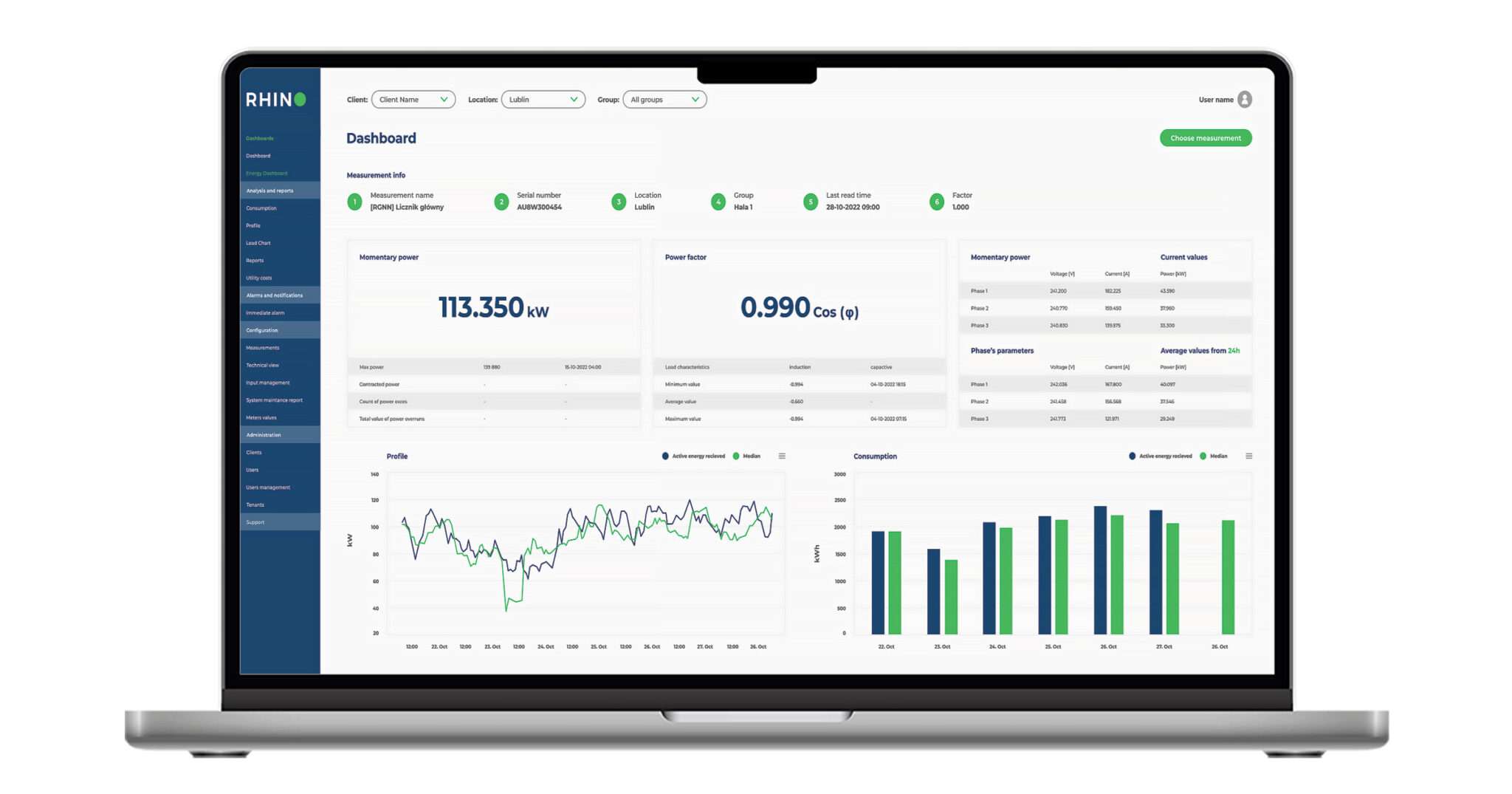
Hotel temperature monitoring dashboards provide facility managers with real-time visibility into critical operational metrics.
Implementing Hotel Temperature Monitoring: What to Expect
Successful hotel temperature monitoring deployment requires planning that addresses hospitality-specific requirements including guest privacy, operational continuity, and staff training. The implementation process typically completes within days, not weeks, with minimal disruption to normal operations.
Hotel Temperature Monitoring Implementation Timeline
- Assessment (1-2 days): Property walkthrough identifies monitoring priorities including guest room HVAC, mechanical rooms, public spaces, and conference areas
- Installation (1 day): Deploy wireless sensors throughout property in mechanical rooms and service areas without guest-facing disruption
- Training (2-3 hours): General manager, engineering staff, and front desk receive training on dashboards, alert protocols, and guest communication
- Baseline (Week 2-4): Monitor normal operations to establish baseline temperature patterns and set alert thresholds based on brand standards
- Optimization (Month 2+): Refine alerts based on actual patterns, implement energy savings opportunities, expand coverage as needed
Guest privacy remains protected throughout implementation and operation. Temperature sensors monitor HVAC performance only, capturing no guest-identifying information. Sensors install in mechanical rooms, corridors, and common areas rather than guest room interiors. This approach provides comprehensive visibility while maintaining guest trust that distinguishes professional monitoring solutions from intrusive alternatives.
Selecting a Hotel Temperature Monitoring Provider
Not all monitoring providers understand hospitality requirements. The right hotel temperature monitoring partner brings experience with 24/7 operations, guest privacy considerations, and multi-property management needs that distinguish hotels from other commercial buildings.
Evaluate providers based on their hospitality track record, integration capabilities with property management systems, and portfolio management features for multi-property operators. The technology matters less than the expertise applying it to hotel-specific challenges.
Consider providers offering Monitoring-as-a-Service models that eliminate capital expenditure barriers. Subscription approaches align costs with value delivery while ensuring ongoing optimization support. Properties using similar approaches for educational facilities and data centers report better long-term results than those purchasing equipment outright.
Request references from similar properties and verify that the provider offers the 24/7 support hospitality operations require. Weekend failures demand immediate response regardless of normal business hours, and your hotel temperature monitoring partner must share that commitment to guest satisfaction.
Hotel Temperature Monitoring FAQ
How does hotel temperature monitoring protect guest privacy?
Hotel temperature monitoring systems track HVAC equipment performance and environmental conditions only, capturing no guest-identifying information or activity data. Sensors install in mechanical rooms, corridors, and common areas rather than guest room interiors. Environmental monitoring focuses entirely on building systems.
All data transmits encrypted with military-grade security and stores in compliant cloud infrastructure. Properties maintain full control over data access and retention policies, ensuring guest trust while gaining operational visibility.
Will installation disrupt hotel operations or guest experience?
Wireless sensor installation occurs in mechanical rooms, electrical closets, and service areas where guests never encounter installation activity. No guest room entry is required for standard hotel temperature monitoring deployment. The entire process typically completes within a single business day.
Sensors communicate via cellular or mesh networks independent of property WiFi, eliminating any impact on guest internet service. Engineering staff continue normal operations while sensors transmit data to cloud platforms automatically.
What temperature ranges should hotels monitor?
Guest room temperatures typically maintain between 68 and 72 degrees Fahrenheit for optimal comfort, though individual preferences vary. Hotel temperature monitoring systems track deviations from setpoints rather than absolute temperatures, alerting staff when rooms drift outside acceptable ranges regardless of guest-selected settings.
Mechanical rooms, kitchens, and back-of-house areas require different parameters based on equipment requirements and safety regulations. Conference rooms and event spaces need monitoring for rapid temperature swings as occupancy changes. Each zone receives customized thresholds matching its specific requirements.
How quickly does hotel temperature monitoring detect problems?
Sensors capture temperature readings every 1 to 5 minutes depending on configuration, with alerts generating within seconds of threshold violations. Staff receive notifications via SMS, email, or mobile app immediately when conditions deviate from acceptable ranges.
This rapid detection enables resolution before guests experience discomfort. A room temperature rising from 72 to 78 degrees triggers an alert within minutes rather than waiting for a guest complaint that might come hours later or never come at all until checkout reviews.
Can hotel temperature monitoring integrate with property management systems?
Modern hotel temperature monitoring platforms integrate with major property management systems including Opera, Maestro, and other hospitality software. Integration enables occupancy-based temperature optimization, automatically adjusting setpoints when rooms check in or out.
This integration ensures rooms reach comfortable temperatures before guests arrive while reducing energy waste in unoccupied rooms. The system coordinates with housekeeping schedules, maintenance work orders, and reservation forecasts for comprehensive operational awareness.
What ROI can hotels expect from temperature monitoring?
Hotels typically achieve 5:1 to 20:1 ROI ratios through combined energy savings, prevented equipment failures, and protected revenue from maintained guest satisfaction. A 150-room property spending $329,400 annually on energy can expect $65,000 to $115,000 in direct savings.
Payback periods range from 3 to 10 months depending on property size, current energy costs, and baseline efficiency. Revenue protection from prevented negative reviews often exceeds direct cost savings in competitive markets.
How does hotel temperature monitoring help multi-property portfolios?
Portfolio management dashboards provide corporate facilities teams with visibility across all properties from a single interface. Performance benchmarking identifies underperforming locations, while standardized monitoring ensures brand consistency regardless of individual property management capabilities.
Centralized alerting routes notifications to appropriate personnel whether local engineering staff, regional managers, or corporate facilities teams. Reporting aggregates energy consumption, guest comfort metrics, and equipment performance across the portfolio for ownership and brand reporting.
What training do hotel staff need for temperature monitoring?
Initial training typically requires 2 to 3 hours for general managers, engineering staff, and front desk personnel. Training covers dashboard navigation, alert interpretation, response protocols, and guest communication strategies when temperature issues arise.
Ongoing support ensures staff maintain proficiency as systems evolve and personnel changes occur. Most hotel temperature monitoring providers include 24/7 technical support and quarterly business reviews that reinforce best practices and identify optimization opportunities.
Transform Your Hotel Guest Experience
Hotel temperature monitoring provides the real-time visibility your property needs to maintain guest comfort standards, prevent negative reviews, and optimize operational efficiency. Every day without comprehensive monitoring represents potential guest dissatisfaction, preventable equipment failures, and competitive disadvantages that erode profitability.
Your free facility assessment includes:
- Comprehensive temperature control analysis across guest rooms and public spaces
- HVAC equipment performance evaluation and efficiency recommendations
- Energy waste identification with projected savings calculations
- Deployment timeline without operational disruption
- Hospitality-specific optimization strategies for guest satisfaction
Email us at detect@envigilance.com | We reply within 24 hours
Related Industries
Temperature control challenges affect all types of facilities. Discover how other industries benefit from comprehensive temperature monitoring: