Water Leak Alerts: Prevent $15,000 Facility Failures in 2026

Water leaks cost American businesses over $500 million in annual incurred losses, according to industry ISO data from 2021, and the problem is getting worse. Roughly 1 in 60 insured properties files a water damage claim every year, with commercial incidents averaging $15,000 to $25,000 per event when you factor in remediation, mold removal, and business interruption. The worst part? Most of this damage develops silently behind walls and above ceilings where nobody is looking.
Your building’s plumbing, HVAC condensate lines, and rooftop equipment are aging every day. According to data from The Hartford, 75% of water damage losses come from plumbing systems, HVAC equipment, and appliances that discharge liquid accidentally. These are not dramatic pipe bursts. They are slow, hidden leaks that turn $50 repairs into facility-threatening disasters. Without water leak alerts to catch problems early, you are betting your bottom line on luck and periodic walkthroughs.
Modern water leak alerts change that equation entirely. Wireless sensors detect moisture within minutes, not months, giving facility managers the intelligence to respond before damage escalates. The difference between a $200 fix and a $15,000 remediation project comes down to one thing: how fast you know there is a problem.
Water leak alerts detect moisture in minutes, preventing the catastrophic damage that occurs when leaks hide for weeks or months in commercial facilities.
The Hidden Water Leak Crisis in Commercial Buildings
Here is what most facility managers do not realize: by the time you see visible signs of a water leak, the damage is already catastrophic. That small dark spot on the ceiling tile, the musty smell in the storage room, the slightly warped flooring – these are not early warning signs. They are evidence that severe damage has been occurring for weeks or months without water leak alerts to catch it.
The numbers paint a clear picture. Water damage claims cost the insurance industry billions annually, with the average commercial water damage incident running $15,000 to $25,000 when you factor in water removal, structural drying, mold remediation, and business interruption. Per Insurance Information Institute data, water damage remains one of the most common and costly property insurance claims in the United States. But here is the insider secret: most of this damage could be prevented if the leak was caught within the first 24 to 48 hours through automated water leak alerts.
The Cruel Math of Hidden Water Damage
- Hour 1-24: $50 to $200 repair cost
- Week 1: $500 to $2,000 as drywall and flooring damage begins
- Month 1: $5,000 to $8,000 with mold growth and structural damage
- Month 3: $15,000 to $25,000 requiring major remediation and business disruption
Think about that progression. A leak that could be fixed with a $50 pipe repair becomes a $15,000 nightmare simply because nobody knew it was happening. This is precisely why smart water leak detection systems with instant alerts have become essential for modern building management.
Traditional facility management relies on periodic inspections that miss the vast majority of hidden leaks until damage is already extensive. By the time human inspection discovers the problem, you are not preventing a disaster – you are documenting how bad it already is. Per EPA WaterSense data, American buildings waste roughly 1 trillion gallons annually through undetected leaks.
Where the Costliest Leaks Hide in Your Facility
Let me share some insider knowledge about where these facility-threatening leaks typically occur and why they go undetected for so long. Understanding these vulnerable areas is the first step toward implementing effective water leak alerts.
Behind Mechanical Room Walls
This is leak ground zero. Pipes run behind walls where they are completely out of sight. A fitting loosens, a joint fails, or corrosion creates a pinhole leak. Water slowly saturates insulation, drywall, and structural materials. You will not see any evidence until the damage is extensive enough to show through walls or cause ceiling tiles to fail. Many facilities discover these leaks only after indoor air quality problems emerge from mold growth. Proper water leak alerts would catch these issues within hours.
Under Raised Floors
Server rooms, data centers, and modern office buildings often have raised flooring systems. Leaks in this space can run for months, creating perfect conditions for mold growth while damaging expensive subfloor systems, electrical infrastructure, and HVAC equipment. Without water leak alerts from sensors under these floors, you are gambling with your most critical infrastructure. Facilities that implement data center water leak detection catch problems before they reach sensitive equipment.
Above Drop Ceilings
Roof leaks, HVAC condensate line problems, and plumbing failures in the ceiling space can cause massive damage before showing visible signs. Water saturates ceiling tiles, insulation, and structural elements while you remain completely unaware. The leak might start in one corner but first become visible 30 feet away where water finally breaks through. Water leak alerts positioned strategically prevent this cascade of water damage.
In Utility Closets and Storage Areas
These spaces get checked infrequently, allowing leaks to cause extensive damage to building systems, stored materials, and adjacent areas. A small leak in a utility closet can damage electrical panels, create safety hazards, and spread to occupied spaces. Implementing energy monitoring alongside water leak alerts provides comprehensive facility protection that catches problems across all building systems.
Near Equipment Rooms
Boiler rooms, electrical rooms, and mechanical spaces often have both water systems and critical building infrastructure. Leaks in these areas can damage expensive equipment while creating serious safety hazards and operational disruptions. These high-risk zones should be priority locations for water leak alerts deployment. Protecting this equipment is essential because equipment water damage often costs far more than the water remediation itself.
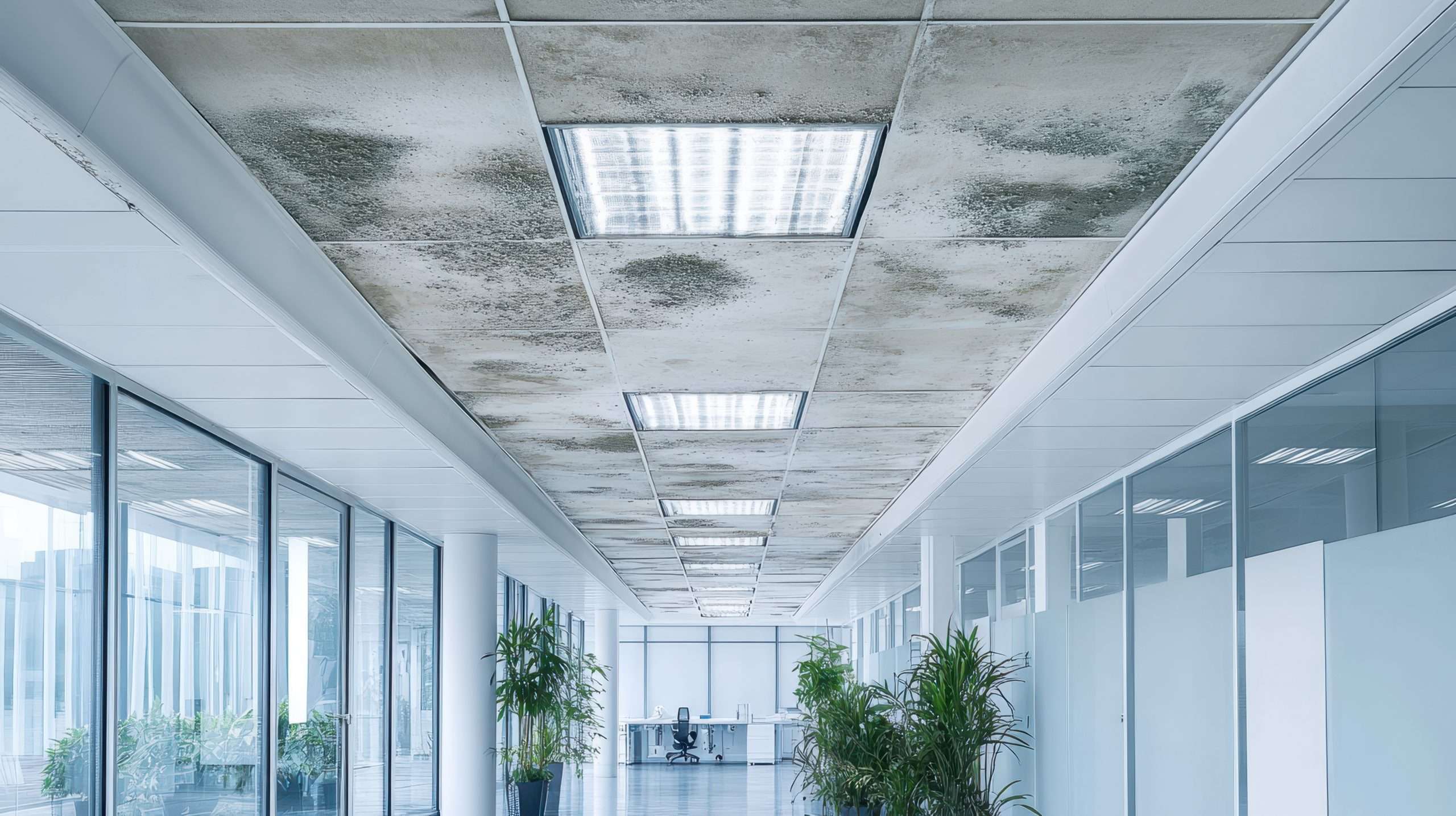
Water leak alerts from Monitoring as a Service systems identify moisture within minutes, preventing the mold growth and structural damage that develops when leaks go undetected.
The Real Cost Breakdown: Why $15,000 Happens Fast
Let us get specific about how a hidden leak turns into a major financial disaster. Here is the typical cost progression for a leak that goes undetected in a mechanical room without water leak alerts in place.
Initial Damage (Weeks 1-2): $500 to $1,500
- Saturated drywall and insulation
- Initial flooring damage
- Basic water extraction needed
Structural Impact (Weeks 3-4): $2,000 to $5,000
- Wall and ceiling replacement
- Structural drying and dehumidification
- Damaged electrical or mechanical components
Mold Remediation (Month 2-3): $5,000 to $10,000
- Professional mold testing and removal
- HVAC system cleaning
- Replacement of contaminated materials
Business Disruption (Ongoing): $3,000 to $8,000
- Temporary space rental
- Employee productivity loss
- Equipment replacement or cleaning
Add it up, and you are looking at $15,000 to $25,000 for a leak that could have been stopped with early water leak alerts. According to the American Insurance Association, water leaks result in property losses exceeding $10 billion annually. Water damage claims also cost roughly 3 times as much as non-water claims, per industry data. This is why facilities implementing comprehensive monitoring include water detection as a core part of facility oversight.
Why Traditional Leak Detection Fails
Most facility managers think they are covered because they check their buildings regularly. But here is the reality: human inspection cannot monitor hidden spaces continuously, and that is exactly where the costliest leaks develop.
Walking through your building once a day or once a week does not help you find leaks in mechanical spaces, above ceilings, or behind walls. By the time water damage is visible to human inspection, thousands of dollars in damage has already occurred. This is where automated water leak alerts change everything.
Even scheduled maintenance does not catch most hidden leaks. Your HVAC technician is not looking for water damage in ceiling spaces. Your cleaning crew is not checking behind equipment for moisture. Your security guards doing evening rounds are not trained to spot early signs of water intrusion. Per McGuire Manufacturing data, there are over 300 daily leaks in U.S. commercial buildings, and most develop in areas outside normal inspection routes.
The Inspection Gap That Costs Facilities Millions
- Daily visual checks: Cannot reach behind walls, above ceilings, or under equipment
- Weekly mechanical inspections: Focus on equipment function, not moisture detection
- Monthly detailed walkthroughs: 30-day gap leaves plenty of time for damage escalation
- Quarterly professional inspections: 90-day intervals mean a $50 leak becomes a $15,000 disaster
This is why facilities with regular maintenance programs still suffer catastrophic water damage. The problem is not a lack of attention. It is a lack of continuous monitoring in the spaces where leaks occur. Modern water leak alerts monitor 24/7 in locations that human inspection simply cannot reach.
Many facilities experiencing recurring water issues also discover problems with temperature monitoring, as temperature fluctuations and humidity problems often indicate hidden moisture before visible damage appears.
The Insurance Reality Nobody Mentions
Here is something your insurance agent probably did not explain clearly: most commercial policies do not cover gradual water damage. If water has been leaking for weeks or months, many insurers will deny claims, arguing that gradual seepage is not covered under sudden and accidental damage provisions. Understanding water damage insurance requirements is critical for protecting your facility.
Even when coverage applies, you are facing high deductibles of $1,000 to $5,000 per incident, rate increases where multiple water damage claims can double premiums, coverage limitations as many policies cap water damage at $100,000 to $250,000, and business interruption exclusions since lost revenue often is not covered for water damage. The average NFIP claims payment for flood-related damages reaches $52,000 per incident, per FEMA data.
The reality is that insurance is designed to help with sudden, catastrophic events, not the slow-developing disasters that cause the most expensive damage. You are essentially self-insuring against the most common and costly water damage scenarios. Implementing continuous moisture monitoring demonstrates proactive risk management that insurers reward with premium discounts of 5% to 10%. Some carriers now offer specific discounts for commercial policyholders who install water leak detection systems, per insurance industry reports.
Is Your Facility Vulnerable to Hidden Water Damage?
Discover how continuous monitoring can protect your facility from the leaks that periodic inspections miss. Our experts will assess your current vulnerabilities and show you exactly what is at risk.
What Smart Facilities Do Differently
Buildings that avoid catastrophic water damage do not rely on luck or periodic inspections. They use continuous monitoring systems that detect moisture and water intrusion the moment it occurs, not weeks or months later. Water leak alerts are the foundation of this protection.
Modern water leak alerts provide immediate notifications where sensors detect moisture within minutes and send instant alerts to facility managers, security teams, or monitoring services. A leak discovered in the first hour costs $50 to fix. The same leak discovered after three months costs $15,000. This rapid response capability is similar to how commercial real estate facilities stop losing money to hidden building problems through comprehensive monitoring.
Coverage in hidden spaces means wireless sensors can be placed in mechanical rooms, above ceilings, under raised floors, and other areas where human inspection is infrequent or impossible. Facilities dealing with after-hours flooding emergencies particularly benefit from 24/7 monitoring that works nights, weekends, and holidays when leaks often go undetected the longest.
Precise location information means instead of discovering there is water damage somewhere, you get specific alerts like “moisture detected in mechanical room B, northwest corner” enabling immediate response. Integration with building systems allows advanced platforms to automatically shut off water supplies or trigger alarms when leaks are detected, minimizing damage even when immediate human response is not possible.
Understanding abnormal water usage patterns also provides an early warning layer. Facilities tracking water consumption data can identify slow leaks through unusual flow patterns before sensors detect standing moisture, creating a dual-layer protection system.

Modern Monitoring as a Service platforms deliver water leak alerts that monitor critical areas continuously, providing instant notifications before damage escalates to costly levels.
The ROI of Water Leak Alerts
Let us talk numbers. A comprehensive water leak alerts system for a typical commercial facility costs $2,000 to $5,000 to install. Compare that to the $15,000 to $25,000 cost of a single major water damage incident, and the ROI is obvious.
But the benefits go beyond preventing catastrophic damage. Reduced insurance costs mean many insurers offer 5% to 10% premium discounts for buildings with water detection systems. Over time, these savings can offset system costs entirely. Lower maintenance costs occur because early detection prevents minor leaks from causing expensive secondary damage to building systems, equipment, and finishes.
Avoided business disruption is particularly valuable since water damage often forces temporary relocations, disrupts operations, and affects employee productivity. Prevention eliminates these hidden costs. Protected equipment and inventory matters because server rooms, storage areas, and mechanical spaces often contain expensive equipment that water damage can destroy completely.
Many facilities discovering these benefits also implement comprehensive monitoring for food processing, healthcare facilities, and manufacturing plants where water damage has particularly severe consequences for operations, compliance, and patient safety.
Industries Most Vulnerable to Water Damage
While every commercial building faces water leak risks, certain industries face disproportionate consequences. Understanding your industry’s specific vulnerabilities helps prioritize where to deploy water leak alerts first.
Office buildings face unique challenges because water damage often affects multiple tenants simultaneously, creating complex liability situations and lease disputes. A single undetected leak in a shared mechanical space can damage tenant improvements worth hundreds of thousands of dollars.
Retail facilities lose revenue for every hour of water-related closure. Inventory damage, customer displacement, and brand reputation effects compound the direct remediation costs. Water leak alerts pay for themselves after preventing a single incident in high-traffic retail locations.
Schools and educational facilities face both financial and health consequences from water damage. Mold growth in school buildings affects student health and can trigger mandatory building closures. CDC research confirms that indoor mold exposure causes respiratory symptoms and aggravates asthma, making water leak alerts critical for protecting student populations.
Warehouse and distribution facilities store inventory worth millions that a single water event can destroy. From damaged goods to contaminated products, the financial exposure in large warehouse spaces makes water leak alerts essential for asset protection. Facilities using Monitoring as a Service platforms gain comprehensive coverage across large footprints without the capital expense of traditional building management systems.
Implementing Water Leak Alerts: What to Expect
Getting started with water leak alerts is faster and more affordable than most facility managers expect. Here is what the implementation process typically looks like.
A professional assessment identifies your facility’s highest-risk areas based on building age, plumbing infrastructure, HVAC configuration, and historical water events. This assessment takes 2 to 4 hours for most commercial buildings and creates the sensor placement plan that ensures comprehensive coverage of vulnerable areas.
Sensor installation typically takes 24 hours or less. Wireless moisture sensors are placed in mechanical rooms, under raised floors, above drop ceilings, near water heaters, below HVAC units, and at other high-risk points identified during assessment. The sensors connect to a central monitoring platform that provides 24/7 oversight with instant water leak alerts when moisture is detected.
Ongoing monitoring requires no effort from your facility team. The system runs continuously, and you only hear from it when something needs attention. Alert thresholds are customized to your facility’s normal conditions, so you get meaningful notifications without false alarms. This is the same approach that proactive water leak prevention programs use to stay ahead of problems.
Many facilities start with water leak alerts and expand to include temperature monitoring, air quality sensors, and energy monitoring as they see results. The modular nature of modern monitoring platforms means you can build comprehensive facility protection incrementally, starting with the highest-risk exposures first.
Taking Action Before the Next Leak Hits
Every day your facility operates without automated moisture detection is another day you are betting that hidden leaks are not silently developing behind your walls, above your ceilings, and under your floors. The statistics are clear: with over 300 daily leaks occurring in U.S. commercial buildings and average damage costs of $15,000 to $25,000 per incident, this is not a matter of if but when.
The facilities that avoid catastrophic water damage are not lucky. They are monitored. They have continuous moisture detection that catches problems in minutes instead of months, and they respond before a $50 fix becomes a $15,000 disaster. The question is whether your facility will join them before or after the next hidden leak makes the decision for you.
Frequently Asked Questions About Water Leak Alerts
How quickly do water leak alerts detect moisture?
Modern water leak alerts detect moisture within minutes of contact with the sensor surface. Wireless sensors placed in high-risk areas like mechanical rooms, under raised floors, and above drop ceilings send instant notifications to facility managers through mobile apps, text messages, or email. This rapid detection capability means you can respond to a leak within the first hour when repair costs average $50 to $200, instead of discovering damage weeks later when costs reach $15,000 or more. The speed difference between automated water leak alerts and periodic human inspection is the single biggest factor in preventing catastrophic water damage. Smart water leak detection systems provide this continuous monitoring without requiring staff involvement.
What areas of my building need water leak sensors?
Priority locations for water leak alerts include mechanical rooms where plumbing connections are concentrated, spaces above drop ceilings where roof leaks and HVAC condensate lines can fail, under raised floors in server rooms and data centers, near water heaters and boilers, below HVAC air handling units, in utility closets with plumbing connections, and near restroom supply lines. A professional facility assessment identifies your specific high-risk areas based on building age, plumbing layout, and historical water events. Most commercial buildings need 15 to 40 sensors for comprehensive coverage, with the exact number depending on building size and complexity.
How much do commercial water leak alerts systems cost?
A comprehensive water leak alerts system for a typical commercial facility costs $2,000 to $5,000 for initial installation, with ongoing monitoring costs varying by provider and coverage level. When you compare that investment to the $15,000 to $25,000 average cost of a single major water damage incident, the return on investment becomes clear after preventing just one event. Many facilities recover their investment through insurance premium discounts of 5% to 10% that carriers offer for buildings with active leak detection systems. Monitoring as a Service platforms eliminate large capital expenditures by bundling hardware, installation, and ongoing monitoring into predictable monthly costs.
Will water leak alerts work in older buildings with outdated plumbing?
Older buildings are actually where water leak alerts provide the greatest value. Aging plumbing systems, corroded pipes, failing joints, and deteriorating supply lines create significantly higher leak risk compared to newer construction. Wireless sensors require no modifications to existing plumbing infrastructure since they detect moisture at the point of contact rather than monitoring pipe conditions directly. This means you can protect an older building without replacing or upgrading plumbing systems. Facilities with aging infrastructure should consider water leak alerts alongside temperature monitoring since old HVAC systems often produce condensate leaks that create hidden water damage and mold growth over time.
Can water leak alerts automatically shut off water to prevent damage?
Advanced water leak alerts systems can integrate with automatic shutoff valves that stop water flow when sensors detect moisture. This capability is particularly valuable for after-hours protection when facility staff are not available for immediate response. Automatic shutoff can reduce damage by 80% to 90% compared to systems that only send notifications, because the water source is eliminated within seconds of detection rather than continuing to flow until someone arrives. However, even basic water leak alerts without automatic shutoff still provide enormous value by enabling rapid human response. The key is reducing detection time from weeks or months to minutes, and either approach accomplishes that compared to periodic manual inspection alone.
How do water leak alerts help with mold prevention?
Mold begins growing within 24 to 48 hours of moisture exposure, per CDC guidance. Water leak alerts that detect moisture within minutes give you a critical window to dry affected areas before mold colonization begins. Without early detection, hidden leaks create the warm, damp conditions that accelerate mold growth behind walls and above ceilings where it can spread undetected for months. Mold remediation typically costs $5,000 to $10,000 for commercial spaces, and severe cases affecting HVAC systems can reach $20,000 or more. Water leak alerts eliminate the root cause of most commercial mold problems by catching the moisture before it creates hospitable conditions for biological growth. This also protects indoor air quality for building occupants.
What is the difference between water leak alerts and a building management system?
Traditional building management systems (BMS) cost $100,000 to $500,000 to install and require dedicated IT staff to maintain. Water leak alerts through Monitoring as a Service platforms deliver focused moisture detection and notification capabilities at a fraction of the cost, with professional monitoring included. The key difference is that a BMS tries to control everything in your building while a MaaS approach focuses specifically on the monitoring intelligence that prevents damage. For water leak detection specifically, a MaaS platform typically provides faster deployment, lower total cost, and better coverage in hard-to-reach areas than a full BMS installation. Many facilities find that targeted water leak alerts protect against their largest financial exposure without the complexity and cost of a comprehensive BMS.
How long does it take to install water leak alerts in a commercial building?
Most commercial water leak alerts installations are completed within 24 hours. Wireless sensors do not require running new wiring or modifying existing plumbing, which eliminates the construction timeline that delays traditional building monitoring projects. A typical installation begins with a professional assessment that takes 2 to 4 hours to identify optimal sensor placement based on your building’s specific vulnerabilities. Sensor installation follows within days, and the system begins monitoring immediately once sensors are activated. Facilities can also implement water leak alerts in phases, starting with the highest-risk areas like mechanical rooms and server spaces, then expanding coverage as budget allows. This phased approach lets you protect against the most expensive potential damage while managing implementation costs.
Stop Hidden Leaks Before They Become $15,000 Disasters
Your facility has hidden water damage risks right now. The only question is whether you will discover them through water leak alerts or through an insurance claim.
- + Free facility vulnerability assessment
- + Custom sensor placement plan for your building
- + 24/7 monitoring with instant notifications
- + Installation in 24 hours or less
- + No expensive BMS required
Email us at detect@envigilance.com | We reply within 24 hours