Freezer Excursion Response Protocol: Complete 2026 Lab Guide
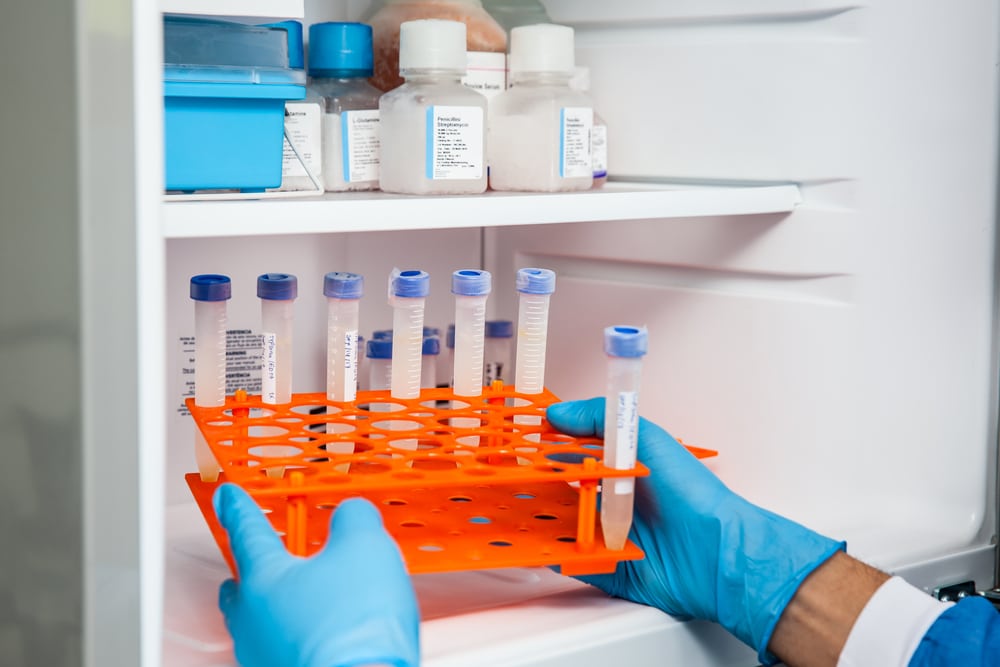
According to a study cited by IFLScience, 16% of biorepositories experienced a freezer failure in a single year. K-12 schools track energy waste in the billions, but research laboratories face a different kind of loss: irreplaceable biological samples destroyed by temperature excursions that no one detected in time. A freezer excursion response protocol is what separates facilities that recover from alarm events and those that lose years of research in a single weekend.
The financial exposure is staggering. Published incidents range from $50,000 in reagent replacement costs for a single unit failure to multi-million dollar losses when rare biological collections are involved. The 2012 Harvard Brain Tissue Resource Center failure damaged one third of the world’s largest autism brain tissue collection because the unit’s external thermostat indicated -80 degrees while internal temperatures had risen to refrigerator levels. No independent sensor existed inside the cabinet, so no freezer excursion response was ever triggered.
This guide provides a complete, step-by-step freezer excursion response protocol built around three phases: immediate response within the first 60 minutes, viability assessment and documentation, and the root cause investigation that prevents recurrence. Whether you manage a single research laboratory or oversee laboratory temperature monitoring across a major institution, this protocol gives your team a clear decision framework from the moment an alarm triggers.
A documented freezer excursion response protocol is the difference between a near-miss and catastrophic sample loss
1. What Is a Freezer Excursion and Why Your Freezer Excursion Response Must Start Within 15 Minutes
A freezer excursion occurs when the temperature inside a storage unit deviates outside its defined acceptable range for any duration. For ultra-low temperature (ULT) freezers storing biological samples at -80 degrees Celsius, even a brief rise above the alarm threshold at -70 to -65 degrees warrants investigation, while a sustained rise above -60 degrees for more than 30 minutes typically triggers formal documentation and regulatory notification requirements under institutional SOPs. A complete freezer excursion response addresses all three phases: detection, immediate action, and documentation.
The distinction between a brief spike and a genuine excursion matters enormously. Normal freezer operations generate predictable temperature fluctuations: door openings during sample retrieval can temporarily warm the cabinet by 3-5 degrees, and defrost cycles cause controlled rises that return to setpoint within 20 minutes. A well-configured temperature monitoring system distinguishes these normal events from genuine failures using time-delay logic, alerting only when temperatures deviate beyond threshold for longer than normal operational variation would explain.
Why does the first 15 minutes determine sample outcomes? Because biological material degradation is not linear. Research published in PMC confirms that tissue storage at -80 degrees preserves DNA and protein for years, but RNA can show measurable degradation within 5 years even under optimal conditions. When temperatures rise above -60 degrees during an excursion, the degradation rate accelerates sharply with each degree of warming. At -40 degrees, many RNA samples face irreversible damage within 2-4 hours. At -20 degrees, DNA samples that have been properly stored for years can be compromised within a single overnight event.
A freezer excursion response protocol answers the question your team cannot afford to figure out in real time: what exactly do we do in the next 15 minutes, the next hour, and the next 24 hours to save samples and satisfy regulators?
Response Time Benchmark
According to the SenseAnywhere clinical storage guidance, your freezer excursion response protocol should activate within minutes of an alarm to minimize potential damage. This requires having designated on-call contacts, pre-defined escalation paths, and sample transfer procedures documented and rehearsed before an alarm ever fires.
2. The Four Most Common Causes of Lab Freezer Excursions
Understanding what triggers excursions shapes both your immediate freezer excursion response decisions and your longer-term prevention strategy. Most lab freezer excursions trace back to one of four root causes, each with a different urgency profile and sample impact timeline.
Compressor failure is the most serious excursion cause because it progresses without recovery. A failed compressor means the freezer cannot maintain temperature regardless of external conditions, and warming will continue until the unit is repaired or samples are transferred. Compressor failures often give warning signs in monitoring data days before full failure: rising ambient temperature trends, longer-than-normal recovery times after door openings, and increased cycling frequency all precede the actual failure event. Temperature monitoring systems that track trending data, not just threshold breaches, can catch compressor degradation 2-4 weeks before catastrophic failure.
Power interruptions produce the most time-sensitive excursions because the window before sample damage depends entirely on the freezer’s thermal mass and how full it is. A fully loaded -80 degree ULT freezer can maintain temperatures for 4-6 hours without power according to manufacturer specifications, but a partially loaded unit may warm significantly faster. Power-related freezer excursion response decisions require immediate verification of the power source status and activation of backup power protocols before any sample transfer decisions are made.
Door seal failures and improper closure produce slower, progressive excursions that monitoring detects as gradual temperature drift rather than sudden spikes. Frost accumulation around door frames, inconsistent temperature readings at the cabinet perimeter, and sustained temperatures 5-10 degrees above setpoint while the compressor runs normally all indicate door seal problems. These excursions are often recoverable because the temperature rise is gradual and the compressor is still functioning. Facilities that invest in preventive equipment maintenance catch seal degradation during routine inspections before it causes a recordable excursion.
Ambient temperature extremes affect ULT freezer performance when laboratory HVAC systems fail, particularly during summer heat events or building system failures. Every ULT freezer operates within a specified ambient temperature range, typically 15-35 degrees, and performance degrades significantly outside that range. An indoor air quality monitoring system that tracks ambient laboratory temperature provides early warning of HVAC issues before they compromise freezer performance.
ULT Performance Insight
Key insight from Stirling Ultracold’s ULT performance testing: after a door opening event, the upper cabinet warms by 3 degrees or less and recovers within 20 minutes under normal operation. Any temperature event exceeding these parameters warrants investigation as a potential genuine excursion rather than routine door-opening variance.
3. Step-by-Step Freezer Excursion Response: Minutes 0 Through 60
When your monitoring alert fires, the freezer excursion response protocol has three sequential phases. Executing them in order preserves both samples and regulatory standing. Skipping phases or executing them out of sequence is the most common error labs make during actual excursion events.
Phase 1 covers immediate assessment during minutes 0-15. Verify the alarm is genuine before taking any physical action. Access your monitoring platform to confirm current temperature, the rate of change, and how long the deviation has been occurring. A temperature reading of -65 degrees that has been stable for 8 minutes is a very different situation from a -65 degree reading that was -80 degrees 45 minutes ago and is still rising. Your monitoring data tells you which freezer excursion response scenario you are facing.
Minutes 0-15 Actions Checklist
- Confirm alarm on monitoring platform. Note current temperature and time of first deviation.
- Determine rate of temperature change (rising rapidly vs. stable vs. recovering).
- Check power supply to the unit: breaker status, UPS status if applicable.
- Visually inspect door seal and closure. Note ambient room temperature.
- Contact on-call laboratory manager or PI per your escalation protocol.
- Begin documentation: record time of alarm, initial temperature, all observations.
Phase 2 covers the response decision during minutes 15-30. Based on your Phase 1 assessment, you now make the critical freezer excursion response decision: attempt recovery or initiate sample transfer. This decision hinges on three factors: the cause of the excursion, the current temperature versus your alert threshold, and the rate of change trend.
Attempt recovery if the cause is identified and correctable (door was ajar, power was briefly interrupted and has restored, compressor cycling appears normal), current temperature is within 10 degrees of setpoint, and the temperature trend shows recovery or stabilization. Close and seal the unit, verify compressor operation, monitor for return to setpoint within 30 minutes, and document all actions. A successful freezer excursion response recovery must still be fully documented even when samples are unaffected.
Initiate sample transfer if temperature is more than 15 degrees above setpoint and rising, compressor failure is suspected or confirmed, power has not restored within 30 minutes, or current temperature has already reached -60 degrees or above. Transfer to a pre-designated backup unit, dry ice, or liquid nitrogen storage. Your freezer excursion response protocol should designate specific backup storage locations and who has authority to approve emergency transfers at 3 AM.
Phase 3 covers documentation and notification during minutes 30-60. Regardless of whether you achieved recovery or initiated transfer, the documentation phase begins no later than 30 minutes after the alarm. The University of Iowa UIHC excursion protocol defines reportable excursions for frozen samples as temperature deviations of +/-1 degree from acceptable range sustained for a contiguous period of 30 minutes. Once that threshold is crossed, formal notification requirements activate for regulatory compliance.
Documentation at this phase must capture: the exact time the deviation began (from monitoring data, not from when you discovered it), the maximum temperature reached, the duration of excursion, all corrective actions taken with timestamps, personnel involved, and current status of affected samples. This freezer excursion response record becomes your compliance documentation if regulators, sponsors, or accreditation bodies request incident reports.

Continuous wireless temperature monitoring detects lab freezer excursions within seconds, enabling immediate freezer excursion response before biological samples sustain damage from thermal deviation.
4. Sample Viability Assessment After a Freezer Excursion Response
Not every excursion destroys every sample. Viability assessment during a freezer excursion response determines which materials can be retained for research use, which require testing before use, and which must be discarded. Getting this assessment wrong in either direction costs you: discarding viable samples wastes irreplaceable research material, while retaining compromised samples risks data integrity and regulatory compliance.
Viability depends on four variables during any freezer excursion response: the sample type, the peak temperature reached during the excursion, the total duration above the alarm threshold, and how many previous freeze-thaw cycles the samples have experienced. Different biological materials have very different tolerances.
DNA samples stored at -80 degrees are the most resilient to short excursions. DNA typically remains viable after brief warming to -60 degrees for less than 4 hours, particularly when samples are fully frozen. The primary risk is not direct degradation but freeze-thaw cycling stress if samples partially thaw. RNA samples are significantly more temperature-sensitive. As PMC biobanking research confirms, RNA can show measurable degradation within 5 years at -80 degrees under optimal conditions, making it the most vulnerable to any additional thermal stress. RNA samples that experienced temperatures above -60 degrees for more than 2 hours should be tested for degradation using RIN (RNA Integrity Number) analysis before use in any expression studies.
Cell lines and tissue samples have viability that depends heavily on whether cryoprotectants are present and whether the samples partially thawed. Samples frozen in DMSO or glycerol have substantially better excursion tolerance than those frozen in media alone. Enzymes, proteins, and reagents typically tolerate brief warming better than nucleic acids or cells if they were never allowed to thaw. Activity assays are the definitive viability test for enzymes, and many healthcare facility preparations remain active after brief warming to -40 degrees but not after reaching -20 degrees.
Excursion Assessment Decision Framework
- Peak temp stayed below -60 degrees, duration under 2 hours: Document, retain samples, flag for quality verification before critical experiments.
- Peak temp reached -40 to -60 degrees, duration 2-6 hours: RNA testing required. Cell viability assays required. DNA may be retained with documentation. Enzyme activity verification recommended.
- Peak temp reached above -40 degrees, any duration over 2 hours: Evaluate all samples for discard. Consult PI and regulatory team before retaining any material.
5. Documentation Requirements for Freezer Excursion Response Compliance
Freezer excursion response documentation is not optional for laboratories operating under FDA Good Laboratory Practice, CAP accreditation, NIH grant conditions, or clinical trial protocols. Inadequate documentation during a freezer excursion event can result in regulatory findings, grant compliance issues, and in clinical settings, requirements to discard samples that might otherwise be retained with proper documentation of assessment and rationale.
The documentation package for a compliant freezer excursion response includes several required elements. The incident record captures the objective facts: alarm time from monitoring data, temperature at alarm, peak temperature reached, duration of excursion, time of recovery or transfer, and the monitoring system used. This record must use data from your temperature monitoring system, not manual observations, because monitoring data provides the continuous temperature trace that regulators require. Manual temperature checks at 15-minute intervals create documentation gaps that auditors flag.
The response record documents all actions taken: who was notified and when, what physical actions were taken, decisions made about sample retention or discard, and the rationale for each decision. Time-stamp every action. The difference between a compliant freezer excursion response and a regulatory finding often comes down to whether your documentation shows a systematic, time-stamped response or a narrative written hours after the fact.
The sample impact assessment documents which samples were affected, what viability testing was performed, what the results were, and the final disposition decision for each sample type. For clinical trial material specifically, FDA Good Manufacturing Practice guidance requires that sponsor notification occur and that the chain of custody documentation account for the excursion period without gaps. FDA 21 CFR Part 11 requirements for electronic records in regulated settings specify that electronic records must be accurate, readily retrievable, and protected from unauthorized modification.
The corrective action report closes the documentation loop by identifying root cause, describing what was done to prevent recurrence, and establishing a verification timeline. Retain all excursion documentation for a minimum of the grant or trial retention period, typically 3-7 years after study completion. Digital documentation from your temperature monitoring system with automated time-stamps and tamper-evident logs satisfies regulatory requirements more reliably than paper logs, and is directly accessible during audits without manual retrieval.

Real-time monitoring dashboards provide time-stamped temperature logs that serve as audit-ready documentation during freezer excursion response investigations and regulatory reviews.
6. Root Cause Investigation: Completing the Freezer Excursion Response Cycle
The freezer excursion response is complete only when you have identified why the event happened and implemented measures that reduce the probability of recurrence. Root cause investigation is required by most accreditation standards and is good laboratory practice regardless of regulatory requirements, because labs that skip this step experience repeat excursions at significantly higher rates.
Root cause investigation begins with reviewing the complete temperature history from your monitoring system before and during the excursion. Look for patterns that precede the failure event. Did ambient room temperature rise before the freezer alarm? Did compressor run-time increase over the prior days? Did temperature recovery after door openings become progressively slower? These patterns in monitoring data identify root causes that physical inspection alone cannot reveal. Facilities using compliance-focused monitoring have the historical data needed to conduct this analysis thoroughly.
Common root cause findings include: compressor degradation detected through trending data, requiring preventive maintenance or replacement before full failure; door seal failure confirmed through frost patterns and temperature profile; HVAC-related ambient temperature excursion requiring coordination with facilities teams; and power circuit instability revealed through power logs, requiring UPS battery evaluation and backup power review.
For recurring excursions on the same unit, consider whether the equipment has exceeded its operational service life. ULT freezers have typical lifespans of 10-15 years with proper maintenance. The Biobanking.com guide to ULT storage emphasizes that proven field reliability and performance under adverse conditions should be the primary procurement criteria for replacement units. A thorough freezer excursion response history with continuous monitoring data helps document equipment reliability objectively when justifying replacement purchases to administration.
7. Prevention: Why Monitoring Comes Before Freezer Excursion Response
Every element of a freezer excursion response protocol assumes one foundational capability: you know the excursion is happening before samples are damaged beyond recovery. That requires continuous, automated monitoring with alert systems that actually reach the right people at 2 AM. Manual temperature logs checked twice daily create 12-hour blind spots during which an entire ULT freezer can warm from -80 to -40 degrees without anyone knowing.
The Harvard Brain Tissue Resource Center failure illustrates the consequences. While the unit’s external thermostat indicated -80 degrees, internal temperature had risen to refrigerator levels. Without an independent temperature sensor inside the cabinet, the alarm never fired. The result was damage to one third of the world’s largest autism brain tissue collection, potentially setting research back by a decade. A wireless sensor connected to an independent monitoring platform would have detected the discrepancy between displayed and actual temperature immediately, enabling a timely freezer excursion response.
Effective lab freezer monitoring requires several specific capabilities. Sensors must maintain calibrated accuracy at -80 degrees and below. Alerts must reach designated contacts within seconds of threshold breach, with escalation to secondary contacts if primary does not acknowledge. The monitoring system must log data at 1-5 minute intervals and maintain continuous records accessible during audits. Gaps in the data record are the most common reason a freezer excursion response fails regulatory review. Ambient monitoring sensors measuring room temperature alongside freezer temperature provide context for excursion cause identification and early warning of HVAC issues before they affect equipment.
For laboratories managing multiple freezers, centralized monitoring across all units identifies systemic issues: a building power event affecting three freezers simultaneously, or an HVAC failure progressively warming every unit in the same room. Healthcare facility monitoring approaches that track temperature across dozens of medication storage units in one dashboard translate directly to research lab environments managing banks of ULT freezers, liquid nitrogen tanks, and controlled temperature rooms.
Does Your Lab Have a Documented Excursion Response Protocol?
Most labs that have experienced a freezer failure report having no written freezer excursion response protocol at the time of the event. A free facility assessment identifies your monitoring gaps and helps you build the response framework before the next alarm fires.
8. MaaS: Automating Your Freezer Excursion Response from Detection to Documentation
Monitoring as a Service (MaaS) removes the two biggest failure points in most lab freezer excursion response systems: alert delivery reliability and response speed during off-hours. Traditional monitoring setups rely on local alarm systems that sound in the lab, which is useless when no one is there, and email alerts that may be delayed or miss their recipients. A MaaS deployment provides multi-channel alert delivery via SMS, email, and phone call escalation to pre-configured contact lists, with verification that alerts were received and acknowledged.
For research facilities managing energy monitoring alongside temperature protection, the operational efficiencies compound. A single monitoring platform tracking freezer temperatures, ambient room temperatures, HVAC performance, and facility energy consumption identifies the HVAC failures that precede freezer excursions before the freezer alarm ever fires. This upstream visibility is the difference between preventing an excursion and responding to one.
MaaS monitoring also addresses documentation requirements by providing audit-ready temperature logs with continuous time-stamped records, tamper-evident data storage, and exportable reports formatted for regulatory review. When an accreditation auditor asks for the temperature history of Freezer 4 during the December incident, the data is accessible immediately rather than requiring manual reconstruction from paper logs.
For laboratories without existing building management systems, water leak detection, air quality, and temperature monitoring can be deployed together as a single subscription that addresses the full range of environmental risks without capital investment. Wireless sensors deploy in hours without disrupting ongoing research, and the monitoring platform is operational the same day installation completes. Facilities managing blood bank storage, pharmacy refrigeration, and ULT research freezers all benefit from a unified platform that consolidates freezer excursion response across every cold storage asset.
Frequently Asked Questions About Freezer Excursion Response
What qualifies as a reportable freezer excursion response event?
A reportable excursion depends on your institutional SOP and applicable regulations. Under the UIHC investigational product protocol, reportable excursions for frozen samples are defined as temperature deviations of +/-1 degree from the acceptable range sustained for a contiguous period of 30 minutes. For clinical trial material under healthcare equipment monitoring protocols, your sponsor agreement typically specifies notification timelines, often within 24 hours of discovery. At minimum, any freezer excursion response should be internally documented regardless of whether external notification is required. The threshold for external reporting is your SOP; the threshold for internal documentation is any alarm event.
How long can a -80 degree ULT freezer maintain temperature during a power failure?
A fully loaded -80 degree ULT freezer typically maintains safe storage temperatures for 4-6 hours after power loss, depending on unit design, ambient room temperature, and loading level. Your freezer excursion response plan should include a power-off study: a controlled test of how long your specific unit maintains temperature without power under typical loading conditions. Stirling Ultracold’s published performance testing shows ULT freezers maintaining +/-1 degree temperature tolerance at steady state, but recovery times vary significantly by model. Always verify manufacturer specifications rather than relying on generic estimates. Temperature monitoring with 1-minute data intervals provides the most accurate picture of your specific unit’s real-world thermal performance.
Can samples be returned to storage after a freezer excursion response if they did not fully thaw?
Samples that remained fully frozen throughout a freezer excursion response event can generally be returned to storage after recovery, but require documentation and flagging. The critical determination is whether any thawing occurred, which depends on peak temperature reached and total duration. DNA samples that remained at -60 degrees or below for under 4 hours typically retain viability. RNA samples require integrity testing before use in expression experiments regardless of apparent freeze status. Cell lines require viability testing before return to active use. The decision to return samples must be made by the responsible PI or laboratory director with documentation of the viability rationale.
What monitoring system specifications are required for compliant freezer excursion response?
Compliant freezer excursion response documentation requires temperature monitoring systems that produce continuous, time-stamped records accessible for regulatory review. FDA 21 CFR Part 11 requirements for electronic records specify that records must be accurate, readily retrievable, and protected from unauthorized modification. Your monitoring platform must log data at intervals of 1-5 minutes, maintain a tamper-evident audit trail, and provide exportable records covering the full excursion duration. NIST-traceable sensor calibration with annual recalibration is required by most accreditation bodies including CAP. An independent sensor inside the cabinet, separate from the unit’s built-in thermostat display, is essential for MaaS monitoring compliance.
How many temperature sensors does a ULT freezer need for complete freezer excursion response coverage?
A minimum of two sensors per ULT freezer is recommended for complete freezer excursion response coverage: one sensor positioned in the warmest zone of the cabinet (typically near the top and front, closest to the door) and one in the coldest zone (typically near the bottom rear). Single-sensor monitoring can miss stratification events where one area warms significantly while the sensor area maintains acceptable readings. For larger ULT freezers over 30 cubic feet, three to four sensors are recommended. Laboratory temperature monitoring best practices support minimum two-sensor coverage for each critical storage unit.
What should a laboratory freezer excursion response SOP include?
A complete laboratory freezer excursion response SOP covers six required elements. First, definitions: what temperature deviation and duration constitutes a reportable event for each equipment type. Second, escalation contacts: named personnel and backup contacts with phone numbers, not just roles. Third, immediate response steps: specific actions in the first 15, 30, and 60 minutes with decision criteria for recovery versus transfer. Fourth, sample viability assessment criteria for each major sample type stored. Fifth, documentation requirements: what records to create, who creates them, and where they are stored. Sixth, corrective action process including root cause investigation steps. Connect your SOP to your preventive maintenance schedule for freezer equipment inspection intervals.
How does freezer excursion response differ for liquid nitrogen storage versus mechanical ULT freezers?
Liquid nitrogen storage introduces different excursion causes and freezer excursion response considerations compared to mechanical ULT freezers. LN2 systems fail due to nitrogen supply interruption, fill system malfunction, or evaporation exceeding refill rate rather than compressor failure. The response priority for LN2 excursions is verifying nitrogen level and supply status before evaluating sample transfer. LN2 vapor phase tanks typically maintain cryogenic temperatures for 24-48 hours without refill in emergency situations, providing more response time than mechanical freezers during power failures. Your protocol must address personal protective equipment requirements for any physical access to LN2 storage during an excursion event.
What is the average cost of a lab freezer failure without a freezer excursion response protocol?
The financial and scientific cost of a laboratory freezer failure without a structured freezer excursion response protocol depends on what was stored and how long the excursion lasted before discovery. Published incidents range from $50,000 in reagent and sample replacement costs for a single unit failure to multi-million dollar losses when rare biological collections are involved. The 2012 Harvard Brain Tissue Resource Center failure, where one third of the world’s largest autism brain collection was damaged, represents an extreme case with research consequences beyond any monetary calculation. Beyond direct sample value, labs without documented freezer excursion response protocols face regulatory findings, grant compliance risks, and potential study invalidation. Contact Envigilance at (888) 812-1971 or detect@envigilance.com to discuss temperature monitoring options for your laboratory.
Protect Your Research Before the Next Alarm
A documented freezer excursion response protocol and continuous monitoring are the two things that separate a near-miss from catastrophic sample loss. Start with a free facility assessment from Envigilance.
- + Ultra-low temperature sensor deployment with calibrated accuracy at -80 degrees and below
- + Multi-channel alert delivery via SMS, email, and phone call escalation 24/7
- + Audit-ready temperature logs with tamper-evident, continuous time-stamped records
- + Ambient room temperature monitoring for early HVAC failure detection
- + No upfront capital, no dedicated IT staff, predictable monthly subscription
Email us at detect@envigilance.com | We reply within 24 hours